ClockFriday, 04/09/2020 16:30

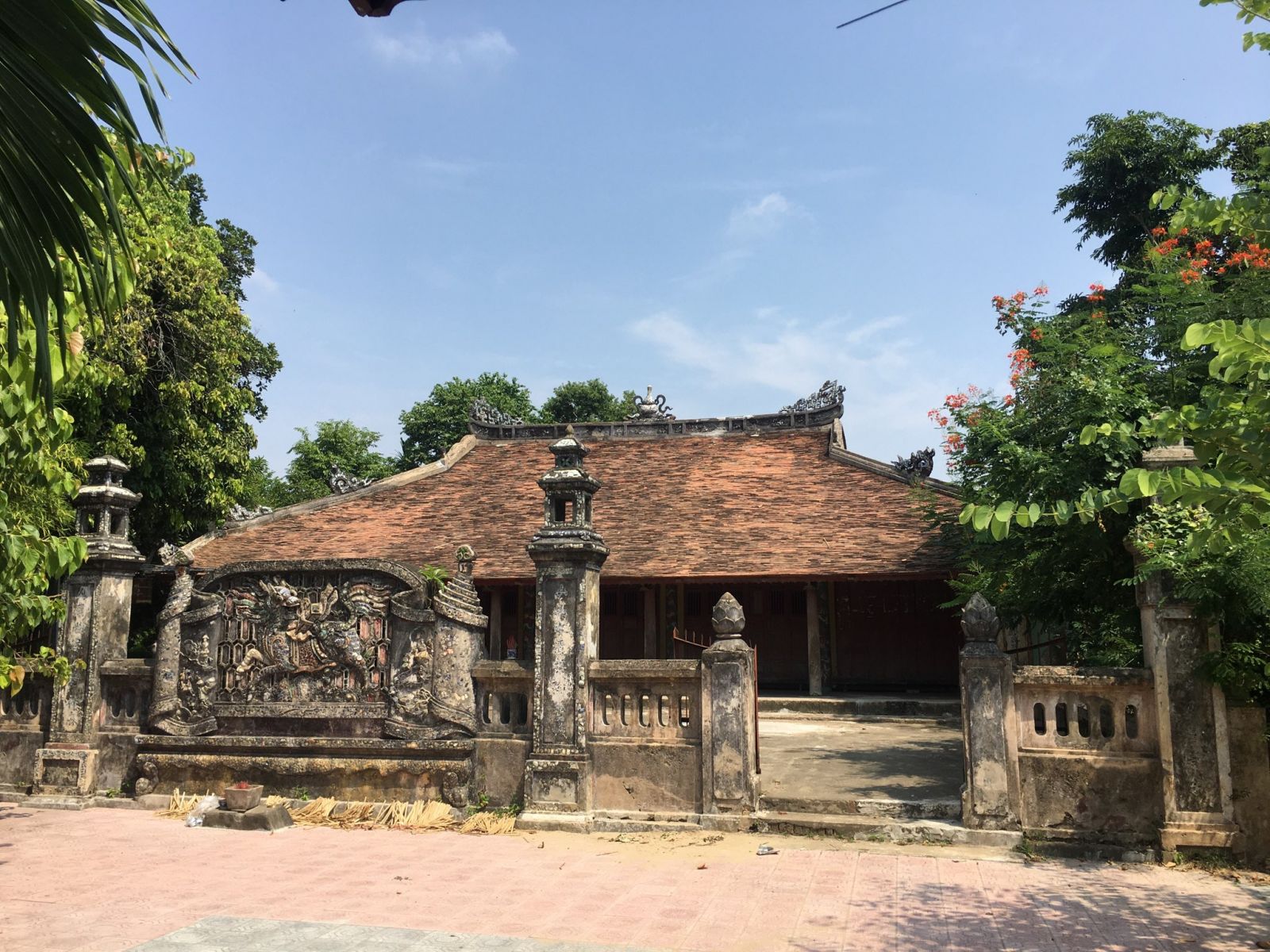
Investing nearly VND 18 billion to restore 3 communal houses in ruins

HNN.VN - The People’s Committee of Hue City has just approved the investment project of preserving and restoring the communal houses of An Cựu, Duong Xuan Ha, and Kim Long villages with the total investment capital for the three projects of nearly VND 18 billion.
A photo collection of Áo Tấc - to promote the significant values of our ancestorsLearning and discovering relics at President Ho Chi Minh Memorial HouseMore than 22,000 tourists visit the relics of Hue during the holidaysApproximately 1,000 guests come to Hue to visit, have fun and relaxHue relic sites to be reopened on April 30

The damaged Kim Long communal house needs to be invested to restore. Photo: Ngoc Ha

With the purposes of thoroughly preserving and recovering the works to conserve the valuable relics out of the risk of serious damage and turning into ruins, at the same time to promote national cultural tradition, associated with the preservation of the national cultural identity of both tangible and intangible heritages, the three communal houses are expected to be repaired in the period of 2022-2025. In which, the expense allocated to restore An Cuu communal house (An Cuu ward) is over VND 9.7 billion, and that for Duong Xuan Ha communal house (Thuy Xuan ward), and Kim Long communal house (Kim Long ward) are over VND 2.6 billion and over VND 5.4 billion respectively.

After carrying out the survey to assess the level of damages, deterioration of the communal houses in the area of Hue city, the city authorities approved the investment project, then submitted the plan to the Department of Culture and Sports to get the basis for the next steps.

The restoration is implemented to create a spacious infrastructure system, ensuring the elements of aestheticism and cultural environment in the relics, being commensurate with the value and stature of Hue cultural heritages, heading towards the goals of building, developing the tourism services, and other kinds of services.

By Thanh Huong

RATING
Be the first to review this post!
  Comment

YOU MAY CARE ABOUT

Eating vegetarian, missing Hue

On the Lantern Festival (the Full Moon of the First Lunar Month) more than 15 years ago, the most “pure Hue native” friend I know, architect Nguyen Trong Huan, and I put on thin raincoats and walked together through the light, drifting drizzle to search for Hue’s culinary specialties. Having lived in this city for many years, Huan still longed for the flavors he once tasted.

Eating vegetarian, missing Hue
Hue’s yellow apricot blossom… snubbed by the emperor

Ask the people of Hue what flower they love most, and most will likely answer: the apricot blossom. To put it more formally, “hoang mai” - yellow apricot, without a doubt. Don’t believe it? Come to Hue and see for yourself! There’s a whole movement called “Yellow apricot blossom in front of the entrance”; a completed research project on “Conservation and development of Hue’s yellow apricot variety (Hue’s Hoang mai)”; a scientific conference on developing Hue’s Hoang mai into a key local product, aimed at successfully realizing the project to build Thua Thien Hue province (now Hue City) into Vietnam’s yellow apricot homeland. My friend, journalist Minh Tu, even published a book called “In front of the house stands a yellow apricot tree”, which sold out instantly, was reprinted, and translated into foreign languages to great acclaim.

Hue’s yellow apricot blossom… snubbed by the emperor
Touching the Ancient Soul of Hue

On a pure morning, I bumped into groups of visitors strolling along the path leading into Hue Imperial Citadel. Cradling her camera in both hands, Ms. Marie, a French tourist, asked the guide in a gentle voice: “May I… try on Vietnam’s traditional costume?”. That question seemed to open an unexpected journey for them, an experience that felt as if they could touch the ancient soul of Hue

Touching the Ancient Soul of Hue
Hue Draws Visitors from Near and Far for Springtime Travel

From the morning of the first day of the Lunar New Year (February 17), the spring travel atmosphere in Hue has been vibrant and festive. Visitors from across Vietnam, along with international tourists, have chosen the former imperial capital as their holiday destination, creating a lively tourism scene on the very first day of the New Year.

Hue Draws Visitors from Near and Far for Springtime Travel
Hooves Opening New Paths

In East Asian culture, horses are not merely a means of transport but a cultural symbol. In Hue during the Nguyen Dynasty, the presence of horses accompanied ceremonial processions and imperial carriages. Even today, that image endures on two bronze urns of the Nine Dynastic Urns - Huyen Dinh and Anh Dinh (the alias of Tu Duc) - like a layer of resilient metallic memory, reminding us that horses once played a role in the life of the former imperial capital.

Hooves Opening New Paths

LASTEST NEWS

Return to top