 |
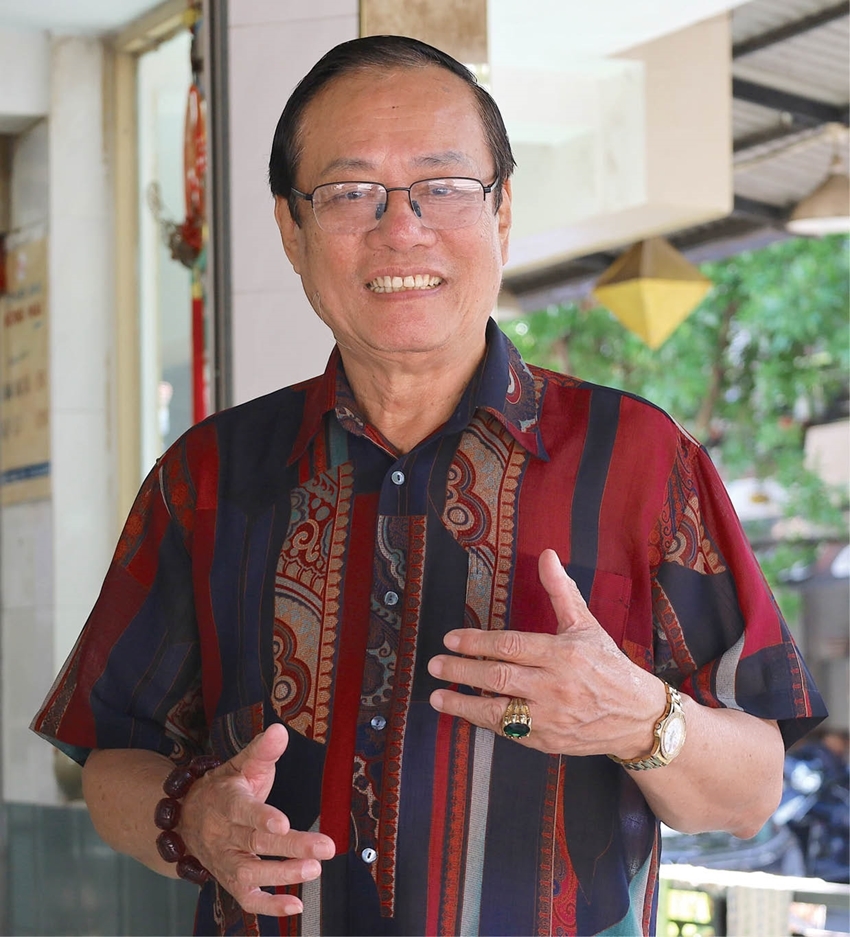
| Le Tan, Researcher, Vice Chairman of Vietnam Culinary Culture Association |
How do you assess the current use of cuisine as a driver of tourism development in Hue?
Cuisine is one of Hue’s competitive advantages in tourism. As the former imperial capital, Hue has preserved many cultural values, including a rich culinary heritage. Among approximately 3,000 dishes of Vietnam, as many as 1,700 are associated with Hue. Royal court cuisine and folk cuisine have their own distinctive characteristics, yet they also share certain similarities. Hue is also renowned for its vegetarian cuisine. The diversity of local ingredients, combined with the skills of artisans and chefs, has shaped the distinctive identity of Hue’s culinary culture.
However, Hue’s culinary tourism offerings have yet to fully reflect the city’s potential. Tasting local dishes during a trip is different from exploring the culinary culture of a destination. With dishes once served in the royal court and its distinctive vegetarian culinary traditions, Hue has a wealth of resources to develop unique tourism products. Yet, the stories behind the dishes, farm-to-table experience, and opportunities to interact with culinary artisans have not been brought together into engaging visitor journeys. Therefore, culinary tourism should be developed as a journey through history, art, and cultural life, allowing visitors to explore the different kinds of Hue’s cuisine rather than simply enjoy its food.
Hue has many skilled culinary artisans and well-known eateries with established reputations, but connections among those working in the culinary sector, as well as between them and the tourism industry, remain limited. In my point of view, Hue also lacks restaurants that truly embody its traditional identity and can offer visitors a complete experience of local culinary culture, particularly those willing to spend more to explore the city’s culinary heritage.
It is somewhat surprising to hear you say that Hue lacks restaurants with a strong traditional identity. In your opinion, what criteria should such a restaurant meet?
I personally think that a restaurant that truly reflects Hue’s identity should meet nine criteria: location, architecture, color scheme, interior design, menu, staff attire, spoken language, service style, and worth to pay.
The location should be easily accessible and offer opportunities to connect with community activities, adding depth to the visitor experience. The color scheme should create an atmosphere that is both elegant and warm. The interior, from tables and chairs to tableware and overall arrangement, should also harmonize with the architecture and distinctive cultural characteristics of Hue.
Beyond the food itself, visitors also care about how they are welcomed and treated. In my view, staff at a restaurant that embodies Hue’s cultural identity should be local people, with the distinctive Hue accent, appropriate attire, and a warm, attentive manner of hospitality that reflects the local people’s character. These are qualities that visitors can experience firsthand during a single meal.
When incorporating Hue dishes into their menus, restaurants need to know the origins of each dish, its traditional preparation recipes and how their own versions have been adapted. These historical and cultural details provide stories that can bring the dining experience to life.
Having had opportunities to experience and conduct research in various destination, I have found out that some visitors are willing to spend generously on a meal simply to explore the food culture of a particular place. Businesses, in my view, are instrumental in creating these experiences. This requires investment resources, an in-depth understanding of the cultural values being showcased, professional management, and service capabilities.
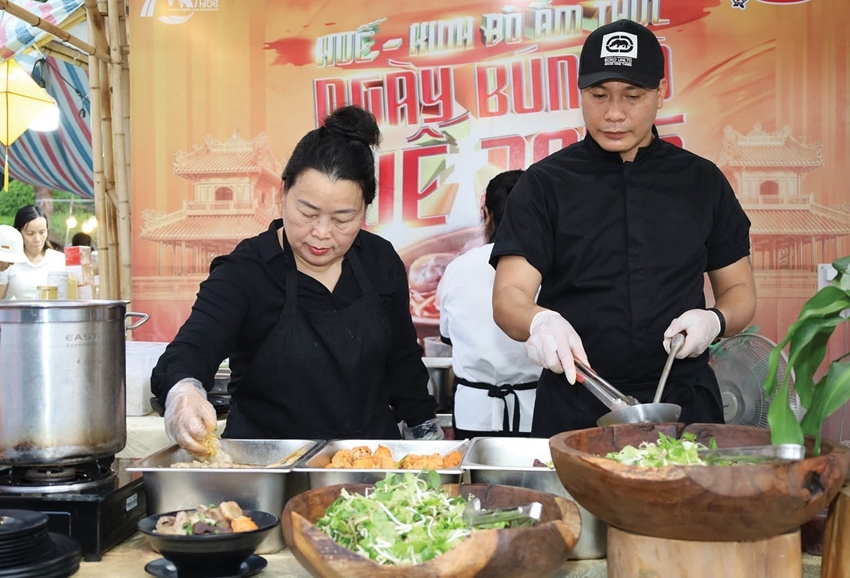 |
| A chef preparing food at a Hue beef noodle soup stall during the Hue - Culinary Capital 2026 program |
In your opinion, which stakeholders need to come together to develop Hue’s culinary tourism, and how can they coordinate their efforts?
Despite having many talented artisans and chefs, Hue’s culinary sector remains fragmented, with most businesses working independently. Some famous Hue beef noodles restaurants, for instance, have found it difficult to expand their presence to other locations. Their expertise in food preparation and restaurant management tends to stay within each establishment. Without regular opportunities to share experiences and collaborate, those working in the field may find it difficult to develop joint products for tourists.
Such cooperation should cover the history and stories behind each dish, as well as the entire value chain, from farm to table. The government should establish support mechanisms; researchers should document the history and cultural values of local cuisine; and artisans should prepare their dishes themselves and pass on traditional cooking techniques. Businesses connect every stage, from post-harvest handling and processing to serving customers and sharing the stories behind each dish.
The way some localities continue to promote Quang-style noodles, Hanoi pho, and Nam Dinh pho after these dishes received recognition offers useful examples. They have created dedicated spaces where visitors can watch food demonstrations, learn about local specialties, and take part in culinary experiences. Hue still has a gap in this area. Establishing venues is only the first step; ensuring that activities are held regularly requires coordination among culinary professionals, businesses and other stakeholders.
Today’s visitors want hands-on experiences. To create an engaging culinary journey, every stage, from learning about the ingredients and watching how dishes are prepared to enjoying the food, needs to be carefully organized and seamlessly connected.
In your opinion, what should be Hue’s priority to ensure the sustainable development of culinary tourism?
Hue is currently developing culinary tourism based on its existing resources. For long-term growth, however, greater investment is needed to develop, organize, and operate culinary tourism as an appealing tourism offering closely associated with distinctive cultural experiences. Itineraries and accompanying services should also be tailored to each type of experience.
This calls for clear policies and practical support mechanisms. Those working in the culinary and tourism sectors, together with businesses, need to coordinate the entire process, from growing and supplying ingredients to preparing and serving dishes. In this way, visitors can go beyond tasting local food to discover the land, its people, and the cultural values behind each dish.
Hue’s diverse culinary traditions, from royal court and vegetarian cuisine to everyday dishes, street food, coastal and lagoon specialties, and the food of ethnic minority communities, every single type can be developed into a themed tourism product. This requires a systematic inventory of local dishes, along with efforts to preserve and revive traditional cooking methods. Among these, priority should be given to using traditional ingredients and seasonings. When featuring these dishes in tours, organizers should choose appropriate venues, seek expert guidance, and provide policy support to ensure their offerings are professionally organized.
Developing a skilled workforce for culinary tourism is also essential. Those responsible for organizing and serving culinary experiences need to be equipped with the necessary knowledge and skills. Competitions, meanwhile, offer young chefs and students a chance to learn about Hue cuisine and put their cooking skills into practice.
Hue is working toward becoming a UNESCO Creative City of Gastronomy. This ambition is intended to further affirm Hue’s position as one of Vietnam’s leading cultural centers, known for its distinctive identity, while raising the profile of Hue cuisine on the world map. Communication and promotional efforts to introduce Hue’s culinary heritage at both national and international levels should also be carried out more regularly and effectively.
Thank you for your sharing!