ClockTuesday, 18/10/2022 16:11

Centella asiatica specialized cultivation area in Quang Tho

HNN.VN - As a locality having the largest area of centella asiatica growing in the provincial area, with around 70 hectares concentrating in Phuoc Yen and La Van Thuong communes, including 52 hectares of centella asiatica grown following the standard of VietGAP, Quang Tho has built centella asiatica as a main OCOP product. Products made of centella asiatica such as matcha centella powder, centella juice, dried centella, etc. are also the favorite choices in the market.

Introducing green - clean - healthy productsSetting up gardens on the terraceKeto - the new lifestyleReplant crops for the new harvestPicturesque suburban flower fields

Thua Thien Hue Weekly would like to introduce some photos about the process of growing, producing and processing products from centella asiatica taken by the photographer Hoang Phuc:
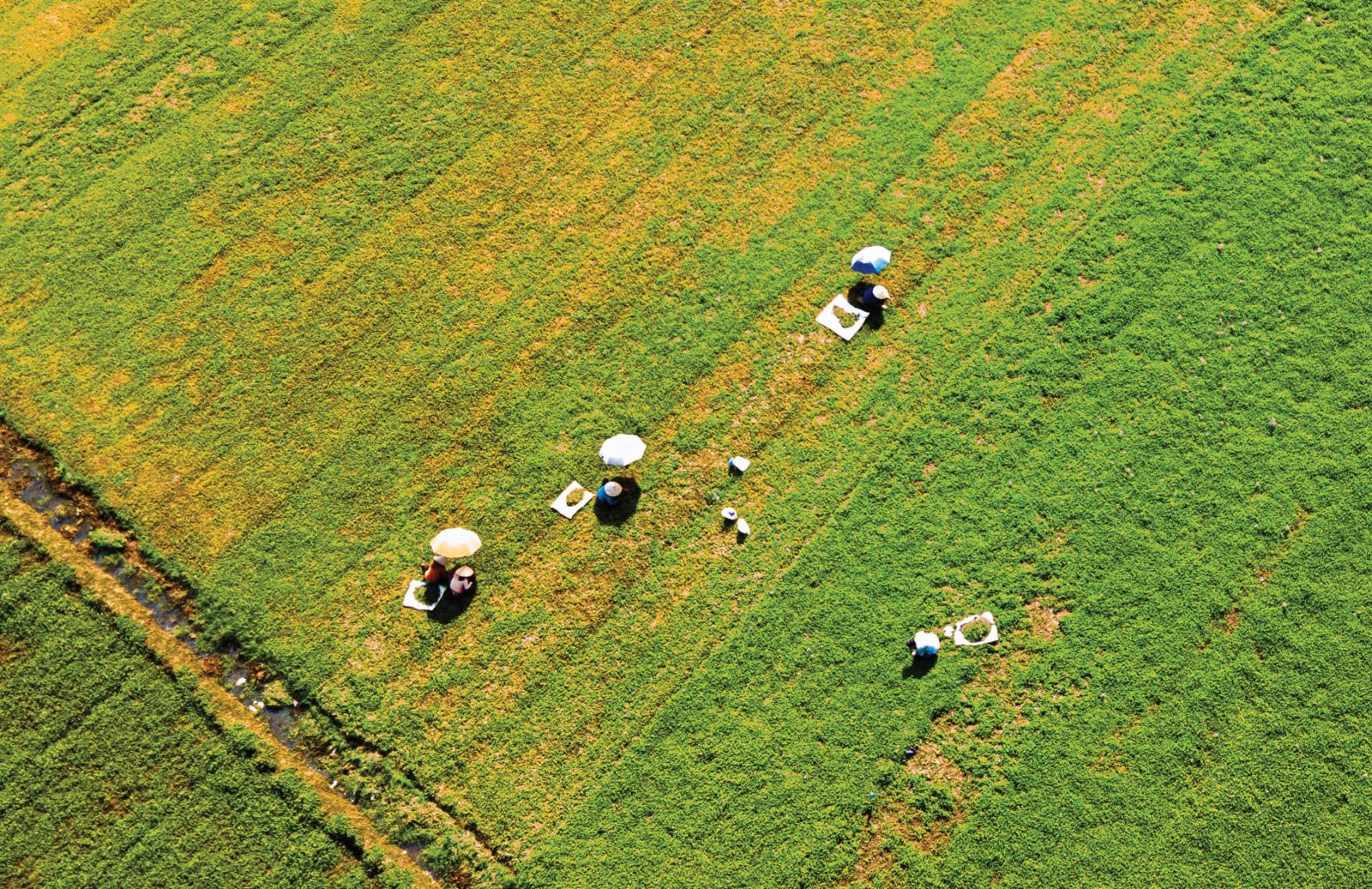
Centella asiatica specialized cultivation fields
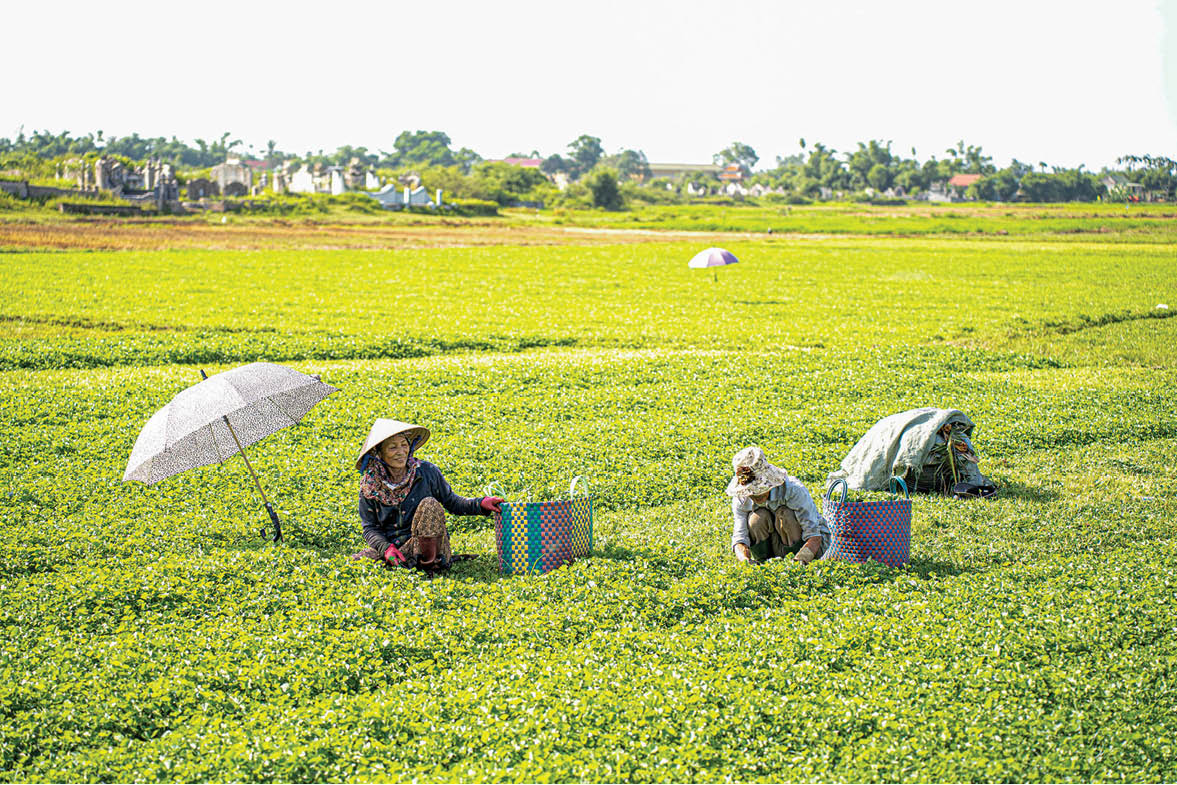
Centella asiatica specialized cultivation fields

The process of producing centella asiatica powder:
The process of producing centella asiatica powder:

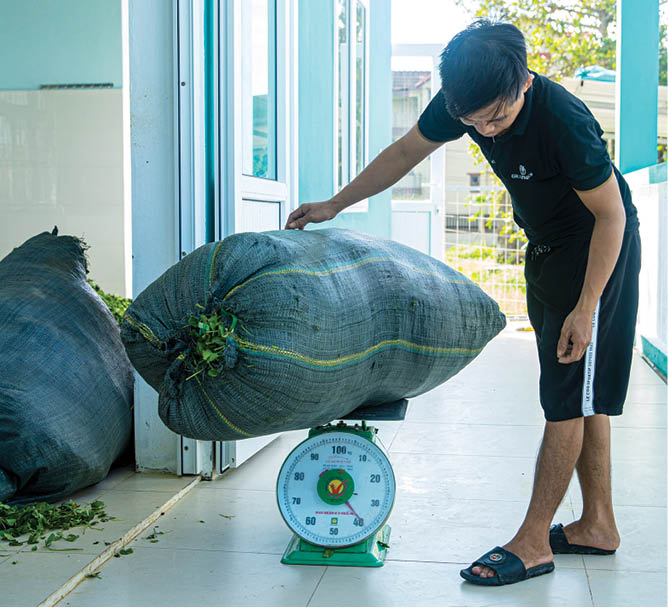
Weighing the centella asiatica
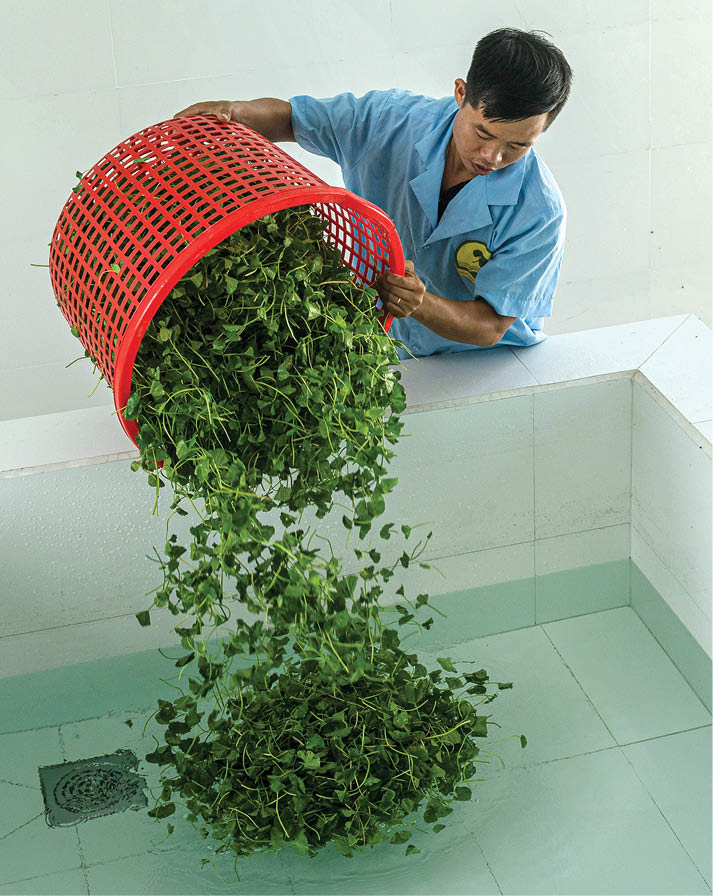
Weighing the centella asiatica

Washing the centella asiatica
Washing the centella asiatica

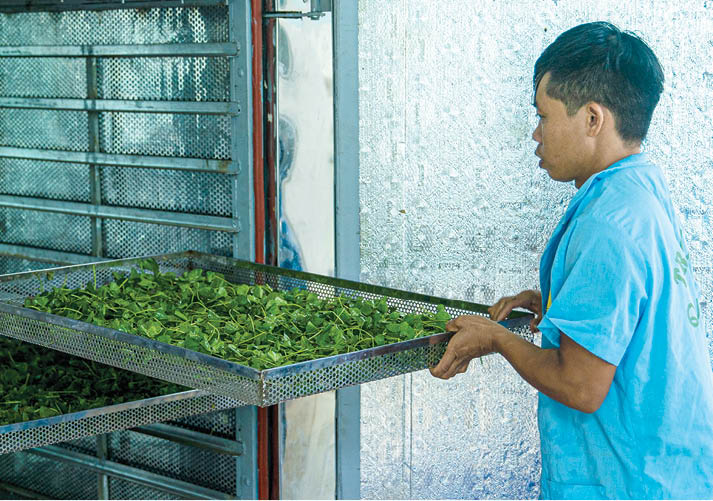
Cold drying
Cold drying

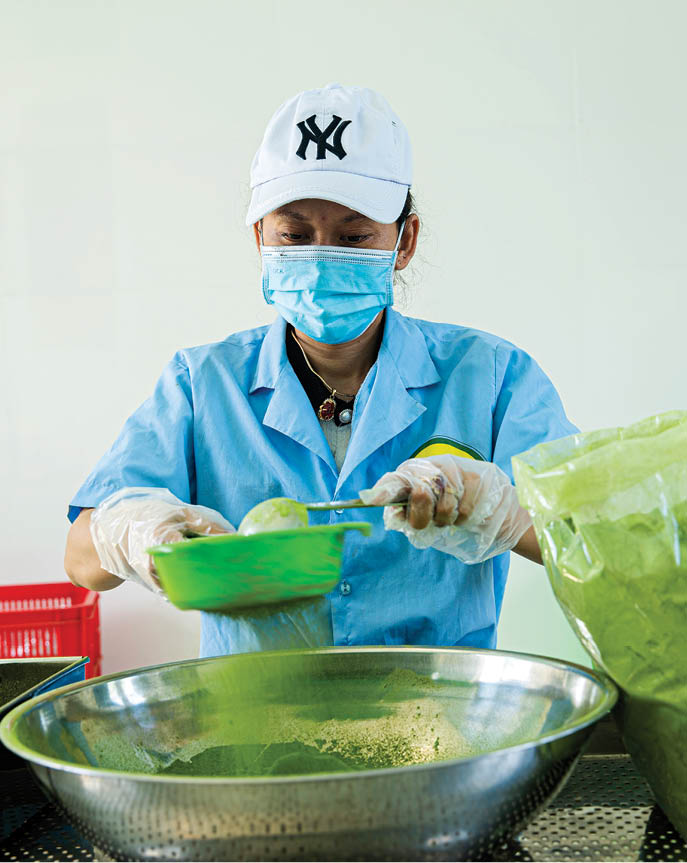
Sifting the flour

Sifting the flour

 Packing

Packing

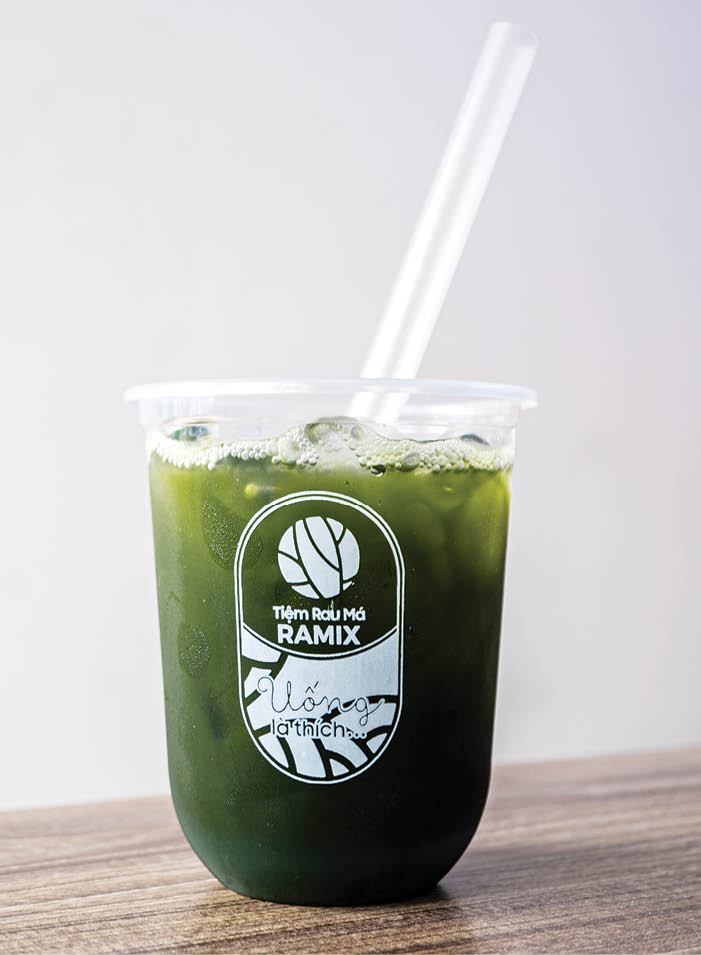
Fresh centella asiatica juice

Fresh centella asiatica juice

By Thua Thien Hue Weekly

RATING
Be the first to review this post!
  Comment

YOU MAY CARE ABOUT

The refined art of Hue tea drinking

In the cultural life of Hue, tea is not simply a beverage but a way of living imbued with ceremonial depth and aesthetic, intertwined with social conduct, the unhurried rhythm of life, and the quiet composure of the people of this ancient imperial city. The art of drinking tea in Hue, therefore, reflects not only the taste of appreciation but also cultural refinement, a philosophy of life, and the lifestyle of a city that once served as the nation’s political and cultural center.

The refined art of Hue tea drinking
“Once I happened to hear about my old native land…”

In 2000, in the short piece entitled “Hue Diary,” written when he returned for the first Hue Festival, musician Trinh Cong Son wrote, “When you have a place to return, or to visit from time to time, you are very fortunate. There, you have a river, a mountain, and you can find again your old friends whose hair used to be black has now turned grey. You might suddenly meet a Hue girl on the street and ask her, ‘Is there anything new in Hue now?’ And immediately, or perhaps by chance, she will recite the two lines from a poem by Bui Giang: “Da thua xu Hue bay gio/ Van con nui Ngu ben bo song Huong” (“Yes, sir, Hue now/ Still has Ngu Mount by the Huong river…”)

“Once I happened to hear about my old native land…”
From community heritage to a maritime vision

Within the cultural complex of Hue, if the system of palaces and royal tombs defines the face of an Imperial capital, the villages along the lagoon and coastline preserve the depth of community life. There, heritage does not lie dormant in the past but lives on in every festival season, every daily custom, and every belief tied to the natural environment. The Cau Ngu Festival of Thai Duong village, held once every three years in January at the Thuan An seaport, is precisely such a heritage - a vibrant cultural practice where community memory, maritime knowledge, and the will to survive have woven together into an enduring whole across hundreds of years.

From community heritage to a maritime vision

LASTEST NEWS

Return to top