 |
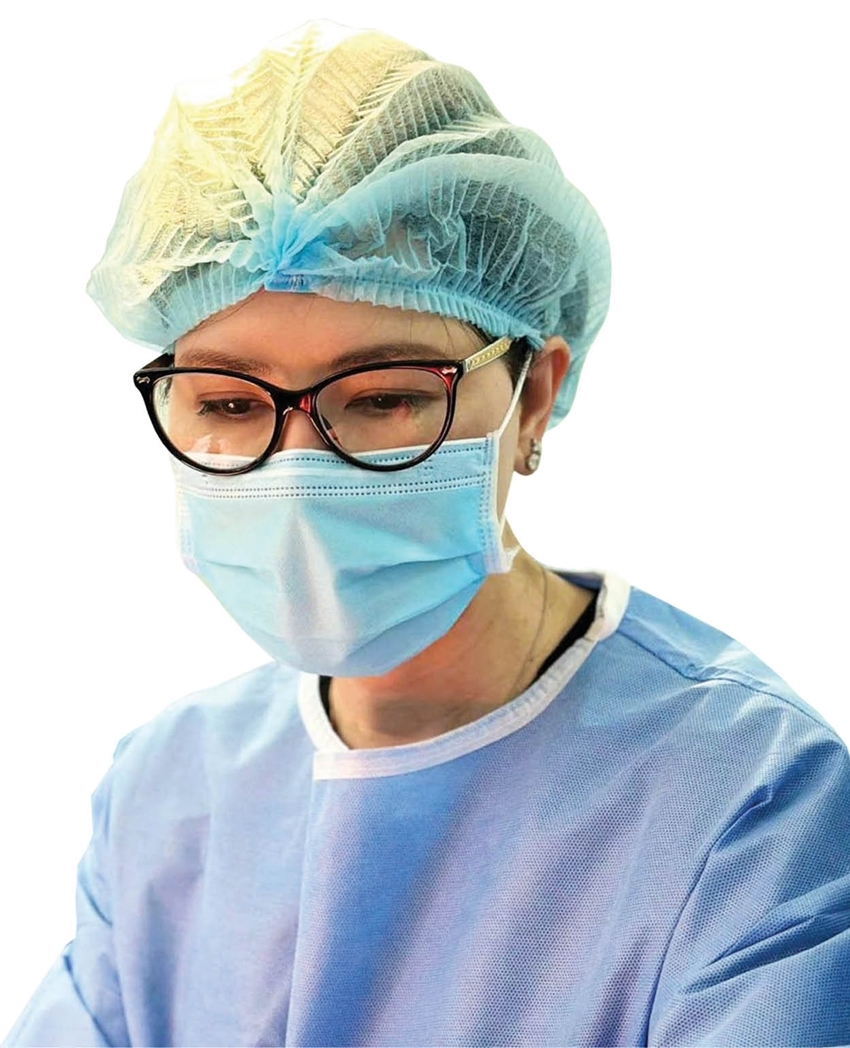
| Prof. Dung Nguyen. Photo provided by Hue Dental and Maxillofacial Hospital |
During her business trip to Hue, Prof. Dung Nguyen shared: "My family has many people working in the medical field. When I was a student, I deeply admired a gentle American female doctor who was always kind, helpful to patients, and took time to mentor interns. This changed my perception of women in medicine. Since then, I decided that when I become a doctor, I don't need to be loud or forceful - just gentle, as is natural for a woman - but when necessary, I must be strong and make decisions in the best interest of my patients."
Not every doctor can pursue microsurgical reconstruction in aesthetic plastic surgery. Could you share your advice for young doctors interested in this field?
Microsurgical reconstruction in aesthetic plastic surgery requires specialized training and technical skills. This means you need time to learn and master the techniques. After graduating from university, those wanting to pursue this field should ideally look for scholarships for financial support, doing research, or further study for a period of time. With a solid foundation and skills, you’ll find solutions to problems. From these scholarship programs, doctors can continue to develop their practical skills and grow in their careers. To succeed and be recognized in this specialty, you should expand your network and seek out opportunities to stay updated and interact to enhance your knowledge.
Conferences and workshops offer valuable learning opportunities through clinical observation, techniques, and the working methods of experts. Defining your goals, setting the right attitude, and building a long-term strategy can ensure sustainability and growth in the future.
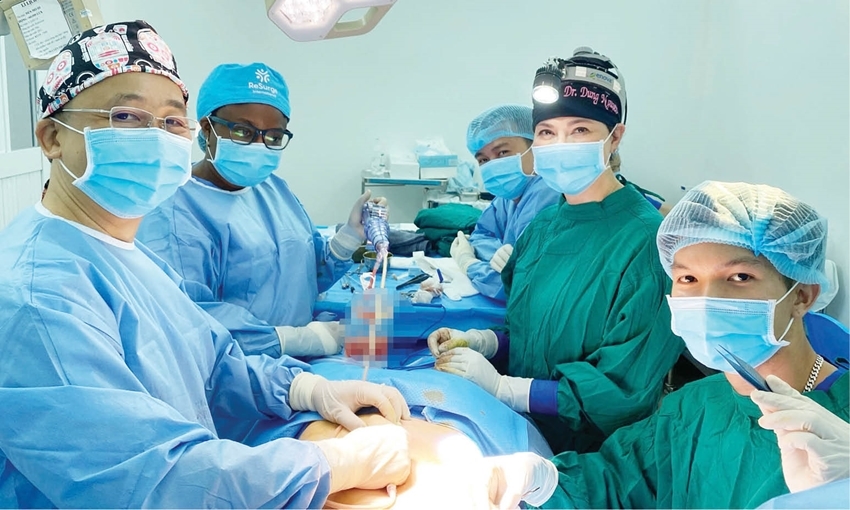 |
| Prof. Dung Nguyen (second from right) in surgery at Hue Dental and Maxillofacial Hospital |
You’ve organized many volunteer missions and training sessions in Hue. What keeps you connected to this place?
When I first took the position at Stanford, the Chair of the Department of Plastic Surgery - who also oversaw a global health research organization - mentioned they wanted to train doctors in anatomy and reconstructive surgery in Vietnam. I immediately volunteered. The first destination was Hue. At that time, Dr. Le Thua Trung Hau (now working at Hue Dental and Maxillofacial Hospital) helped connect and support us in organizing humanitarian surgery programs and effective short-term training courses. Thanks to that, each time I return, I get to work with doctors from all over the country.
People in Hue are kind and friendly. This city is beautiful and peaceful - no traffic jams or pollution like big cities - and it retains its traditional culture. I enjoy visiting the Imperial Citadel and the royal tombs. When I bring back Hue souvenirs to the U.S., my colleagues love them. This time, I noticed how much the city has developed. Hue’s beauty must be preserved, and historical sites should be restored so that visitors can enjoy and experience them.
For all these reasons, every year I find an excuse to return!
After 10 years working in this field in Hue and Vietnam, what changes have you observed in aesthetic plastic surgery here?
Aesthetic plastic surgery still has much room for development in Vietnam. I really want to help build a strong foundation and standardize training for doctors interested in this field. Aesthetic plastic surgery can sometimes be more challenging than reconstructive surgery, because the patients are healthy individuals simply looking to enhance their appearance. The techniques and procedures must be precise and professional.
Currently, training in this field in Vietnam hasn’t been standardized or developed as expected yet. Personally, I want to find opportunities to build an aesthetic surgery program, bring renowned doctors from Korea and Japan here to teach, and perform surgeries for patients. To grow and keep up with global trends, we must advance in aesthetic plastic surgery!
Many patients have received free surgeries, and many domestic doctors have improved their skills through these humanitarian programs. What have you personally gained from these trips?
I love sharing the knowledge and skills I’ve gained with colleagues because knowledge is endless. The most meaningful part of these trips is being able to offer life-changing surgery to patients who have long waited for reconstructive procedures. That’s why I truly enjoy volunteering. In the future, I hope to connect with companies that can support resources, supplies, and medical equipment to help Vietnamese hospitals. During this trip to Hue, companies specializing in microsurgical tools donated surgical instruments and equipment for operations and training programs.
What memory stands out the most from your time operating in Hue?
There are many, but one that stands out was a few years ago - a young woman with breast cancer had to undergo a mastectomy. She felt deeply ashamed and came to our program hoping to have breast reconstruction because she felt she was unworthy of marriage. The doctors and staff were all touched by her story. Our team helped her achieve her dream. Later, I happened to see her again - she was transformed: well-dressed, joyful, and proudly shared that she had met the love of her life and was happily married.
Even though the surgery was only reconstructive in form, I never imagined it could lead to such a profound transformation. That’s the most rewarding feeling a doctor can have after surgery!
Thank you, Professor, and best wishes for continued success in your humanitarian work!
|
|
| Prof. Dung Nguyen, born in 1974, is Associate Chair of Plastic and Aesthetic Surgery, Director of the Microsurgery Center, Director of the Breast Reconstruction Center after Cancer, and Director of the Adult Aesthetic Center at Stanford University (USA). She has published extensively in medical journals and is the author of several books on aesthetic surgery. She was recently awarded the title of "Visiting Professor" by the Hue University of Medicine and Pharmacy. |