ClockSaturday, 21/04/2018 13:29

French architecture

HNN.VN - According to Tran Minh Duc (PhD) and Tran Ba ​​Viet (PhD) from the Institute for Building Science and Technology, the import of French architecture into Hue was in three periods (before 1900, 1900-1920, and 1920-1945), with five architectural styles.

Poetry on Hue royal architectural works inscribed on Truc ChiDiscussion on resilience of ancient worksOutstanding architectural work and the traffic problemTelling the story of An Dinh PalaceSpecial feature on bronze artifacts in Nguyen Lords' timesFresco technique in heritage conservation

It was the pre-colonial style with rudimentary architectures, which were military camps, hospitals, typically the old building of Hue Central Hospital existing until now. The neoclassical style with the symmetrical layout, emphasizing the main lobby such as Hue Railway Station and Khai Tuong Palace (An Dinh Palace), etc. The French architectural style, which simulated the one in regions of France, was adapted to suit the local natural conditions (Festival Center at 1 Phan Boi Chau street).

Later, a new architectural style combining European and Asian architectural styles formed the Indochinese architectural style, characterized by the tile roof patterned with decorative motifs, simulating palaces and temples. So far, this style of architecture has still remained in many buildings and mansions, namely Quoc Hoc High School, Hai Ba Trung High School, Hue University headquarters, etc. The last one was the moderne style with solid blocks and more focus on functional use, like the current Hue University of Sciences.

Hue News introduces the latest photos of the works of French architecture in Hue by photographer Trung Phan.
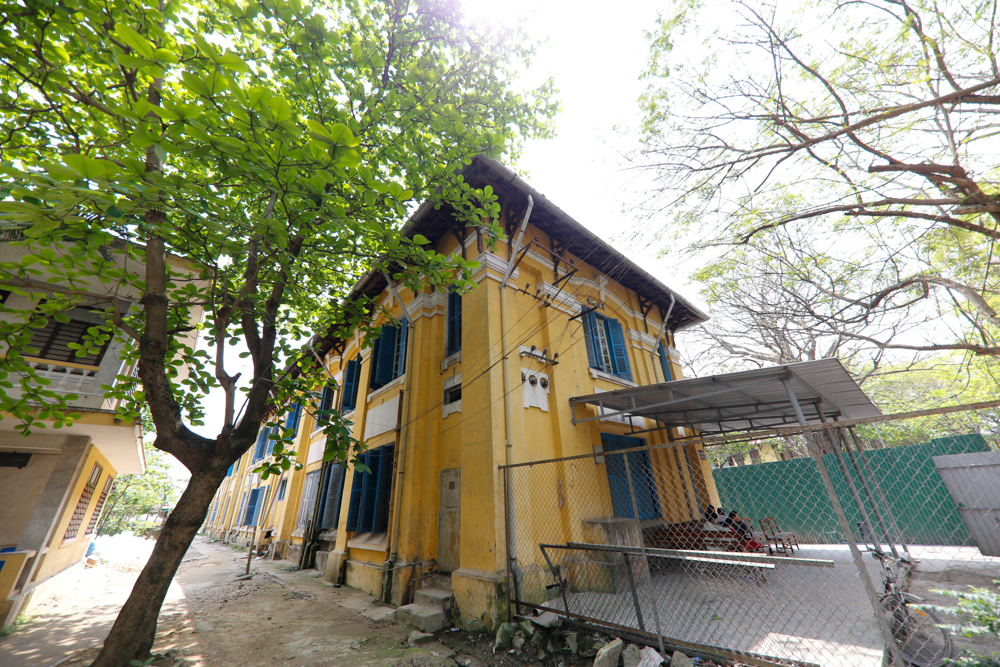
 

The Hôpital Indigene was built in 1894 on the old foundation of the training camp of navy soldiers, with about 21 buildings built in French style. It is now Hue Central Hospital, still intact and in use.
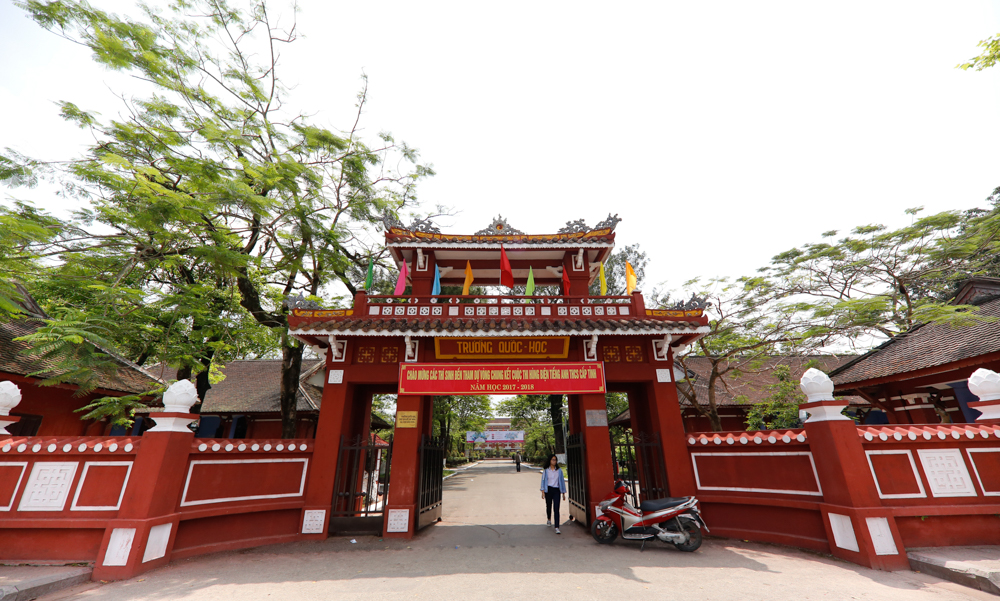
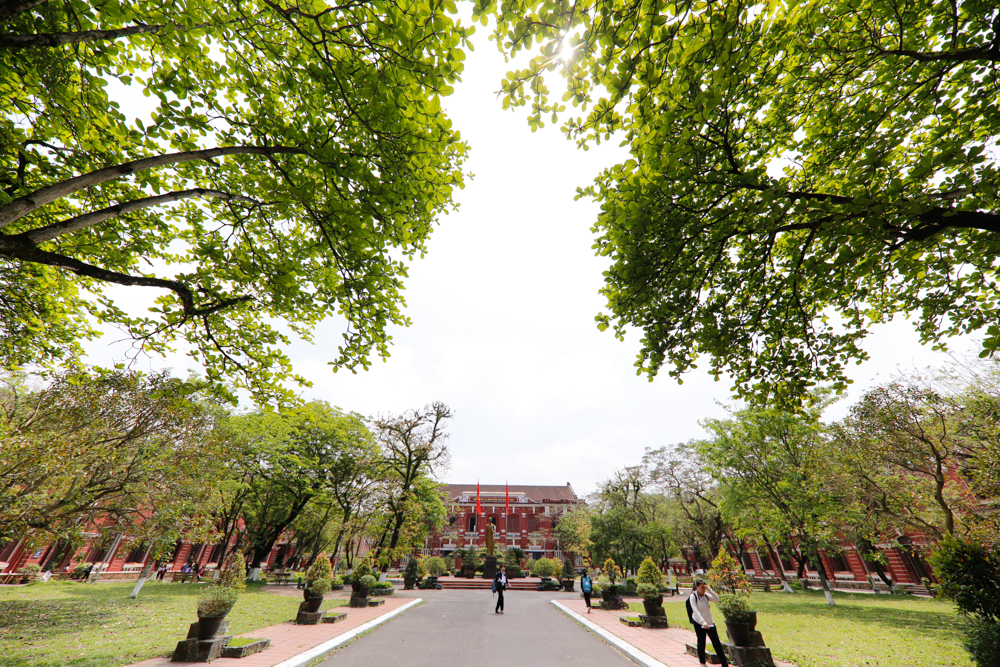
 

Quoc Hoc Hue High School was established on November 18, 1896. The school had changed its name over time, but it was often called as Quoc Hoc (1896-1936), Khai Dinh High School (1936-1954), Ngo Dinh Diem High School (1955-1956), and has returned to its original name since 1956.
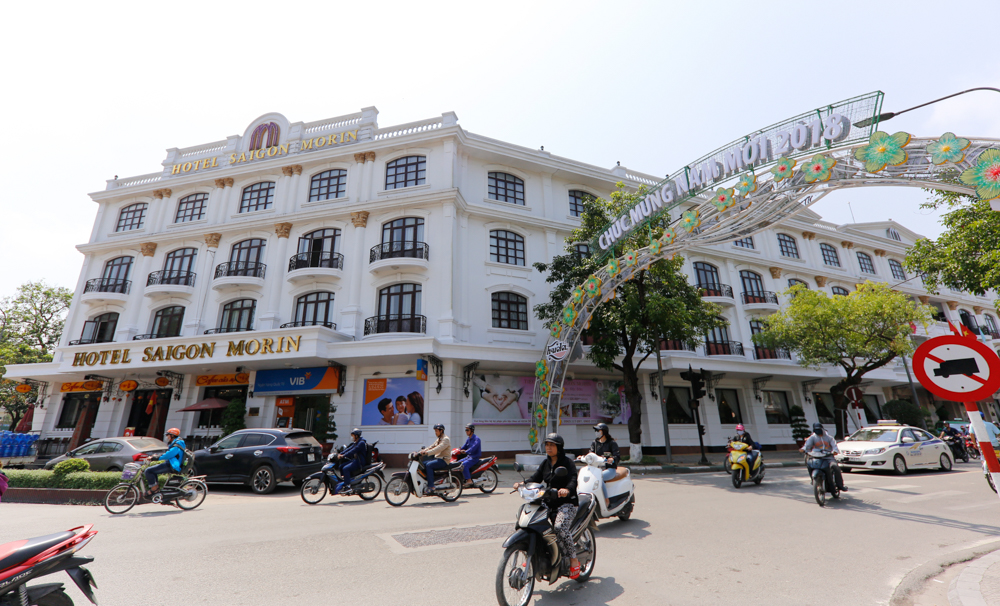
The Saigon Morin Hotel (formerly Grand Hotel de Hue) was built in 1901 by Mr. Bogaert. In 1906, Wladimir Morin (from Arbois of the Jura Mountains) purchased and repaired the building, making it luxurious. Over several changes, the hotel has been named after Morin.
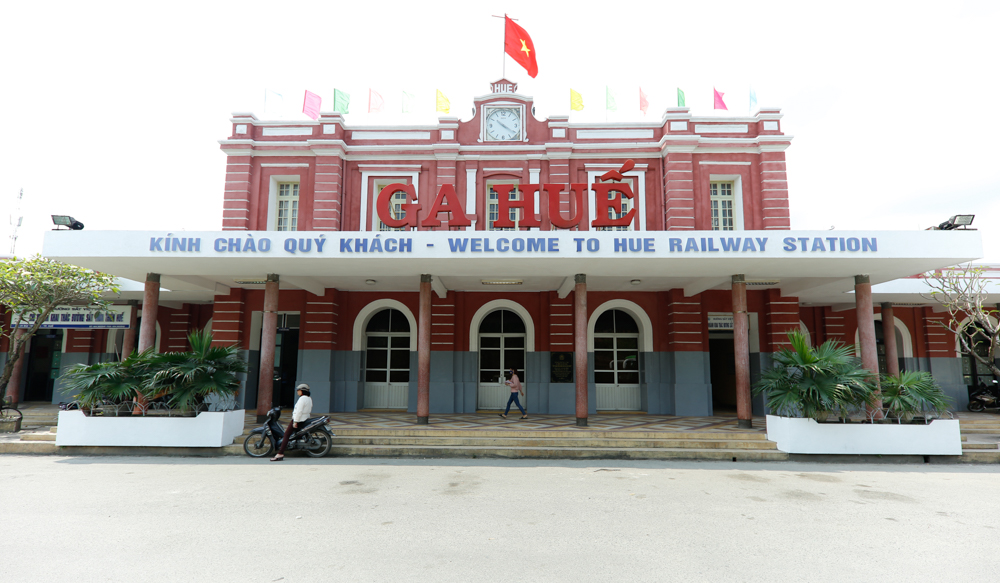
Hue Railway Station was built in the ancient French architecture in 1906. Its old name may be rarely known, the "Truong Sung Station".
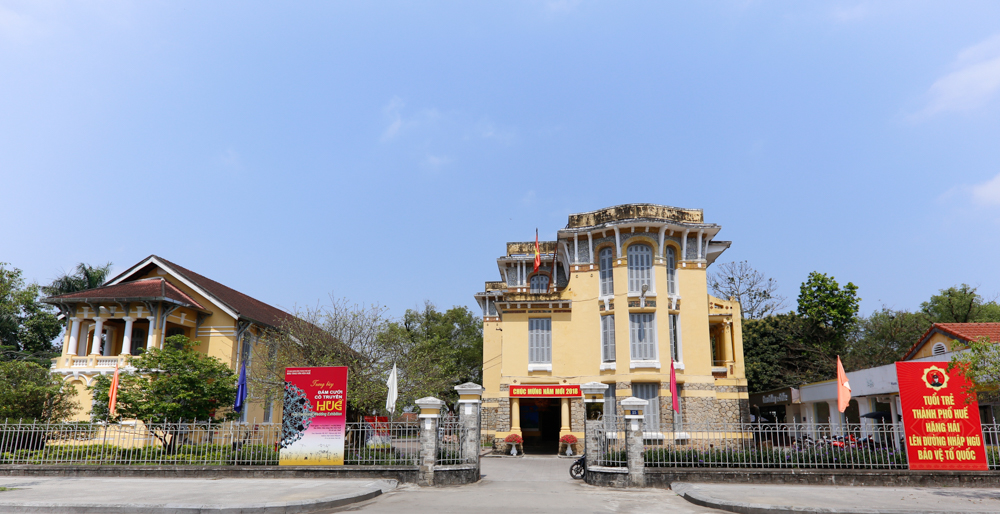
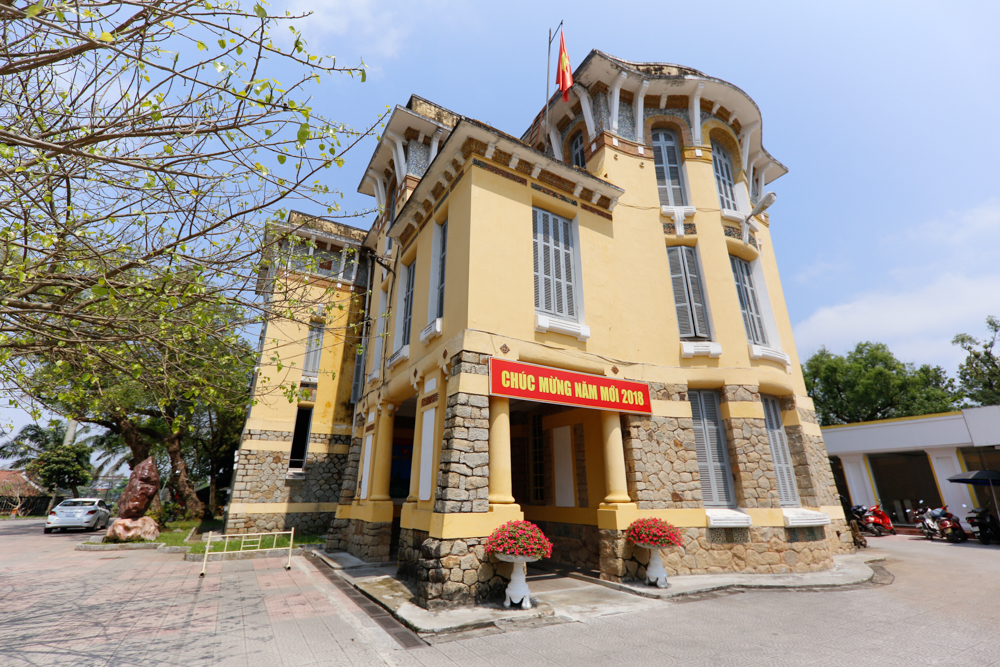
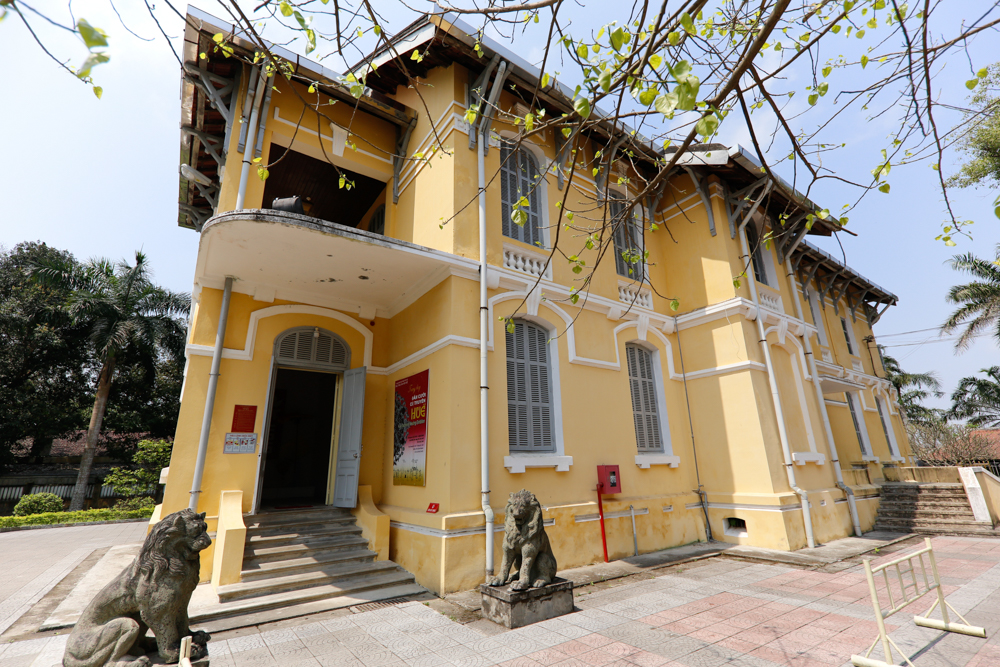
The Luc Bo or "Six Ministries" office, which is now Hue Museum of Culture (at 25 Le Loi street, Hue city), built in the ancient French architecture.
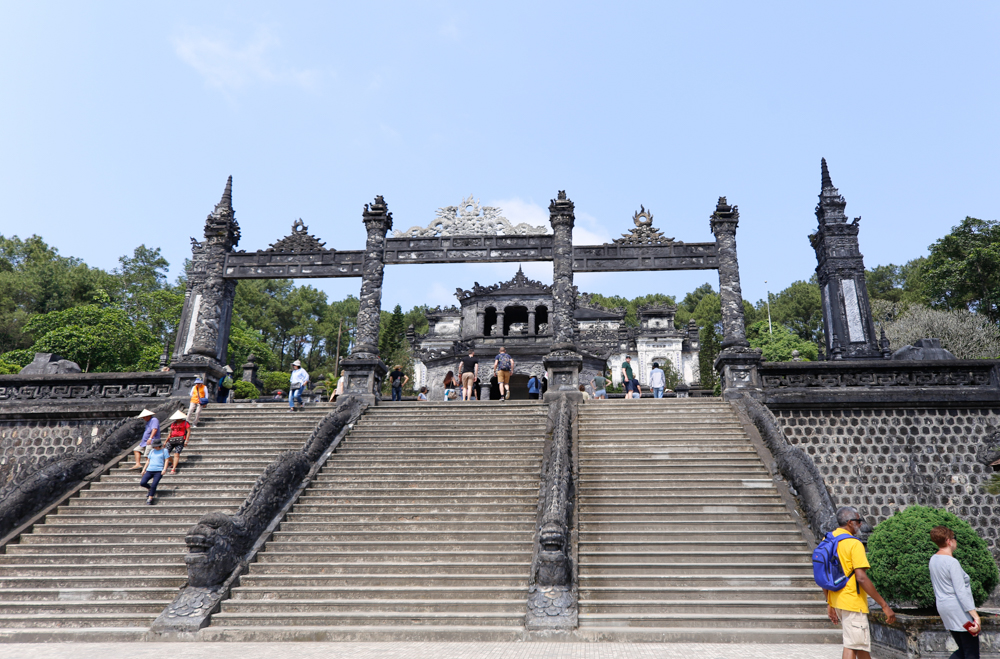
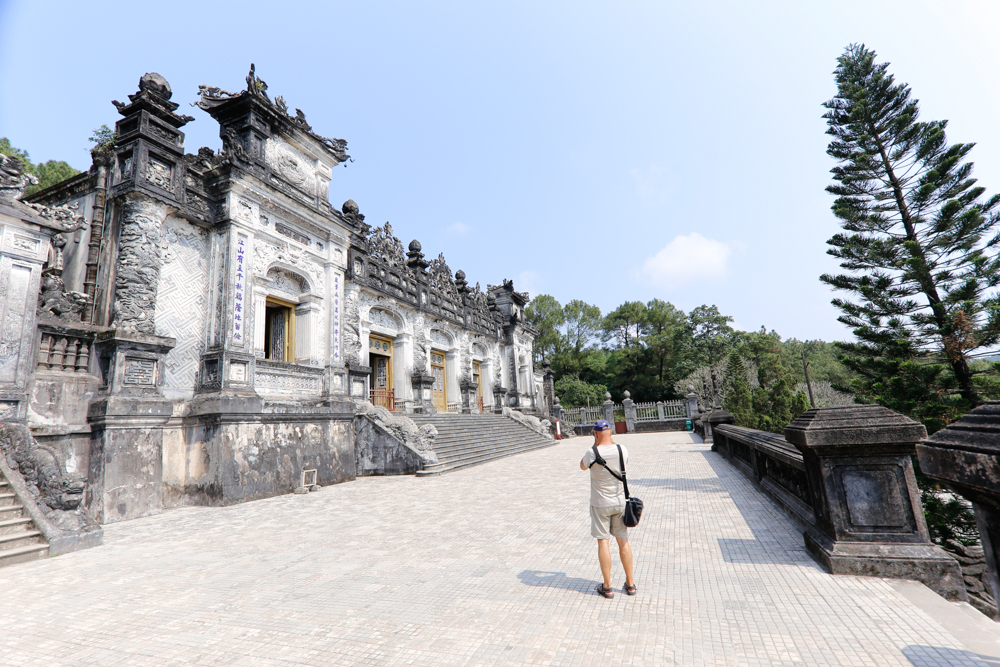
The construction of Khai Dinh tomb was started on September 4, 1920 and completed 11 years later; its other architectural features are a blend of Eastern and Western elements.
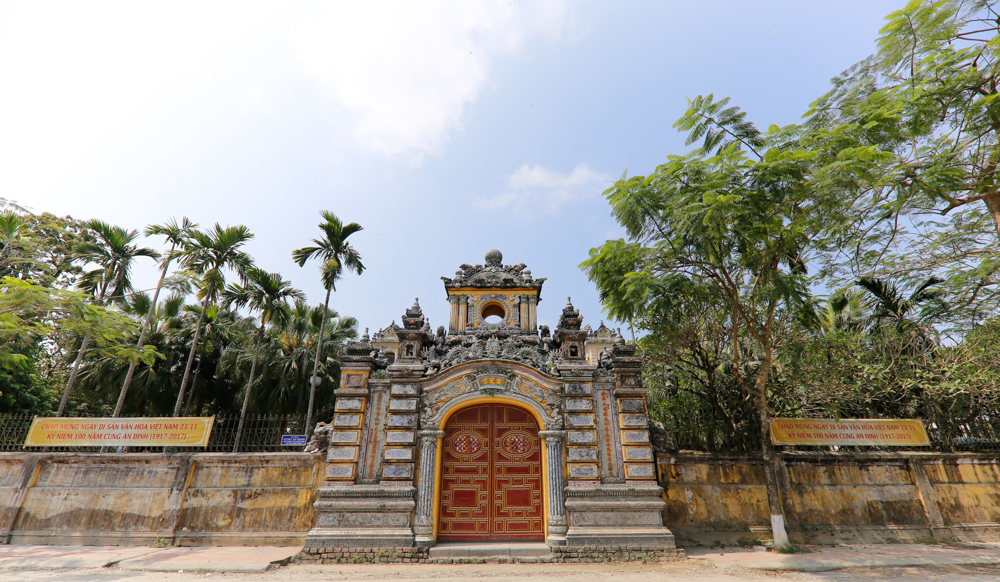
An Dinh Palace was built in 1917 and completed in 1919
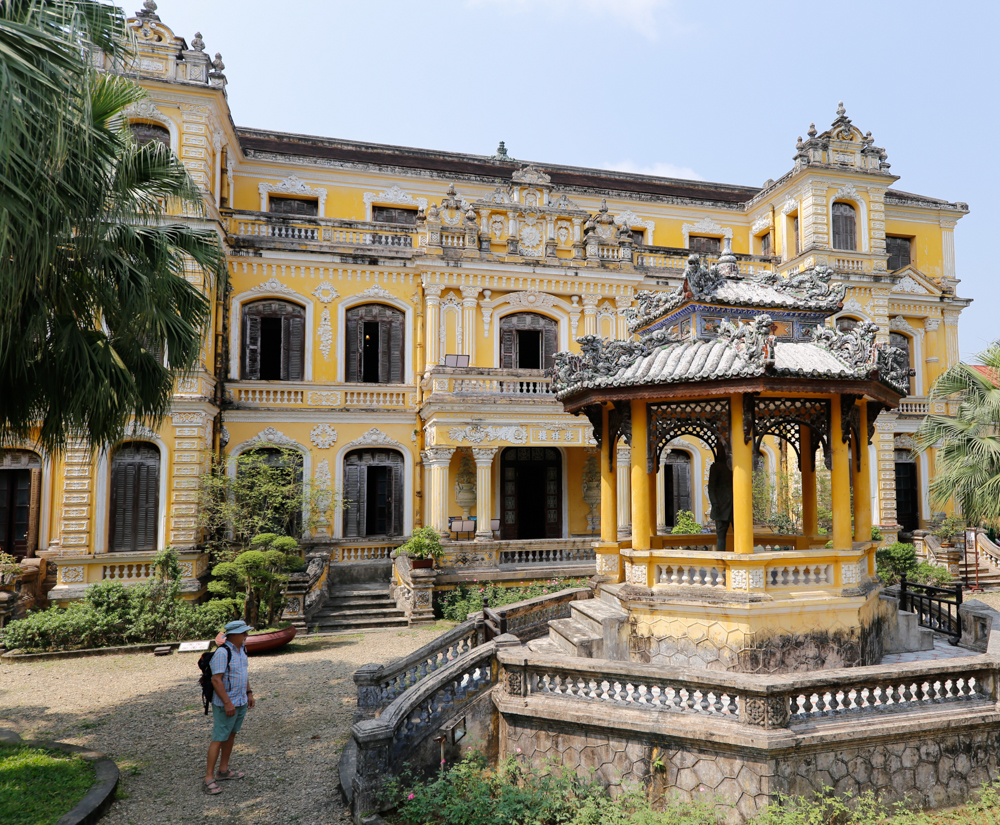
Khai Tuong Temple is the center work with the most massive scale. Although there are some small details treated in the traditional Vietnamese architecture, the main features of this work are the forms of European neoclassical architecture.
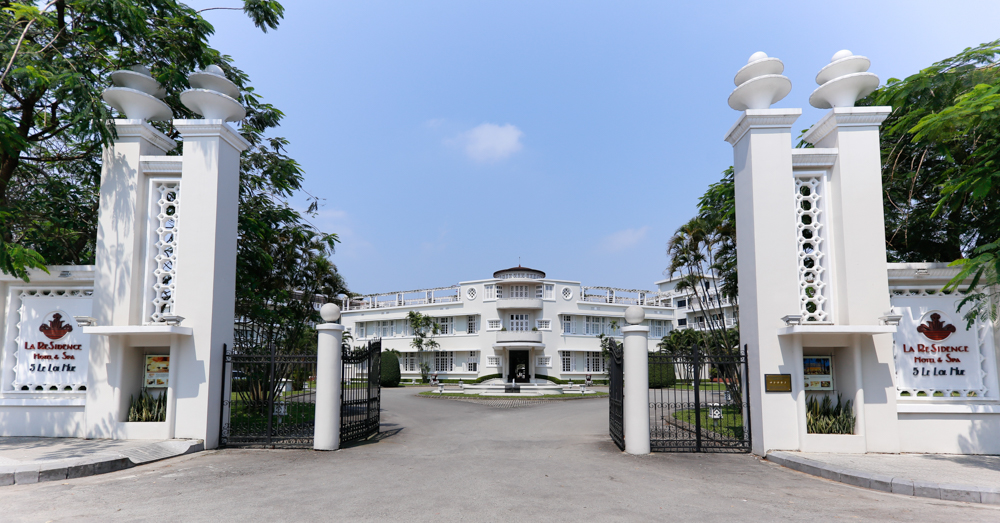
La Residence Hotel & Spa used to be the residence of the French governor in Hue in the 1920s.

Hue Festival Center at 1 Phan Boi Chau street is one of the French-style villas
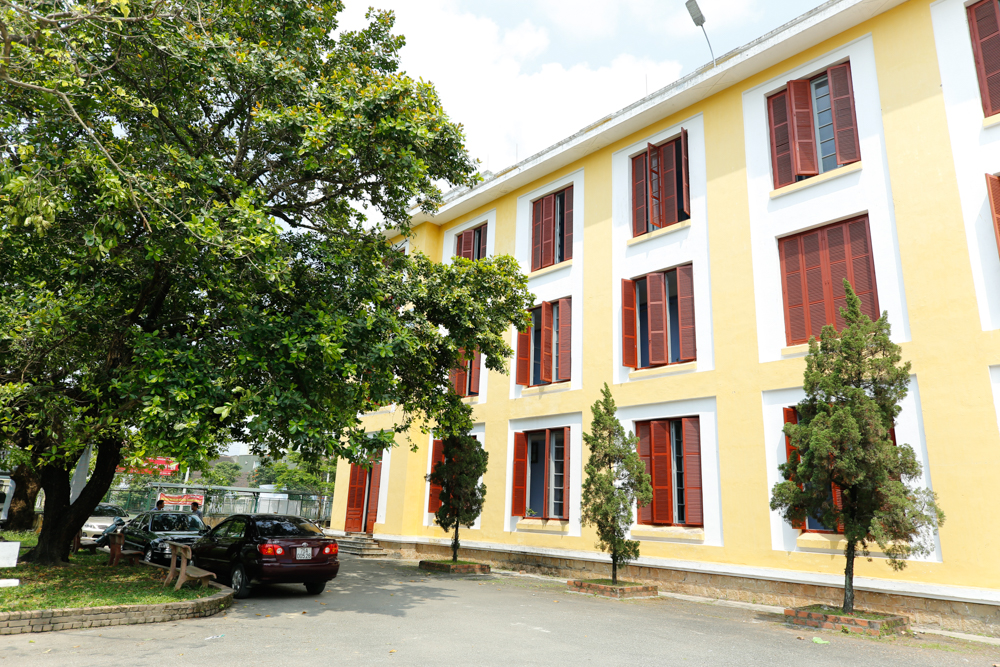
The architecture of Hue University of Sciences was built in the moderne style with bold shapes, focusing on functional use with the French architectural imprints.

By Trung Phan

RATING
Be the first to review this post!
  Comment

YOU MAY CARE ABOUT

Joining the UNESCO Creative Cities Network in 2027: What does Hue need to do to submit its application on time?

On July 22nd, 2026, the Ministry of Culture, Sports and Tourism issued Official Dispatch No. 4538/BVHTTDL-DSVH to Hue City People’s Committee, expressing its support for Hue in preparing an application to join the UNESCO Creative Cities Network (UCCN) in the field of Gastronomy. This is an important step, providing further political and professional support for the city to concentrate resources, complete its application and work toward the 2027 selection cycle.

Joining the UNESCO Creative Cities Network in 2027 What does Hue need to do to submit its application on time
Connecting the digital community to build a smart and safe Hue

On the afternoon of August 20, at Duyet Thi Duong Theater - Hue Imperial Citadel, the City People’s Committee held a conference themed ‘The digital community pioneers together for a smart, creative, secure, safe, and prosperous Hue in the new era of development’.

Connecting the digital community to build a smart and safe Hue
Awaking the “Green Gem” Amid the Lagoon

Ru Cha mangrove forest stands quietly like a sentinel guarding Tam Giang - Cau Hai lagoon system. Through countless seasons of storms and heavy rains, the ancient Cha trees have remained firmly rooted in the soil, embracing the surrounding villages, blocking waves, trapping sediment, and sustaining the unique ecosystem of the lower reaches of the Perfume River.

Awaking the “Green Gem” Amid the Lagoon
Urban Hue and prospects for a “15-minute city”

Among Vietnamese cities, Hue stands out as an ideal city to build a future "15-Minute City." There, all daily essential needs of residents - such as work, education, shopping, healthcare, entertainment, and relaxation - can be reached within a 15-minute walk or bicycle ride. This idea is currently being pursued and researched by female architect Tran Thi Quynh Huong, a young Hue native dedicated to sustainable urban development.

Urban Hue and prospects for a “15-minute city”
Mosaic ceramics telling the story of Hue

Ceramic mosaic inlay has long contributed to the beauty of Hue’s royal architecture. Continuing these values, young artisan Huynh Kim Nhat Minh, born in the 1990s in Phu Xuan ward of Hue City, has devoted great passion to creating new works, bringing the art of ceramic mosaic inlay closer to everyday life.

Mosaic ceramics telling the story of Hue

LASTEST NEWS

Return to top