



 |
| Foreign visitors enjoy salt coffee in Hue |
Enhancing experiences, expanding promotion opportunities
In the winter of 2024, Da Nang launched a large-scale communication and promotion campaign highlighting local culinary values and related services through an innovative format. Upon arrival in Da Nang, visitors receive a culinary passport at the airport, seaport, and other entry points to register for a journey exploring high-quality culinary destinations across the city. These destinations were carefully selected by the local tourism department based on criteria such as food quality, service, and reasonable pricing, forming the list of “members” of the passport program. This allows tourists to enjoy delicious meals while restaurants and eateries gain more exposure.
A unique feature is that participating establishments stamp the visitors’ passports for authentication. The number of stamps collected can be exchanged for attractive rewards such as free stays at five-star hotels or luxurious dinners. After the first campaign phase, tens of thousands of culinary passports were issued, and Da Nang’s tourism industry received numerous positive responses, appreciation, and return pledges from visitors.
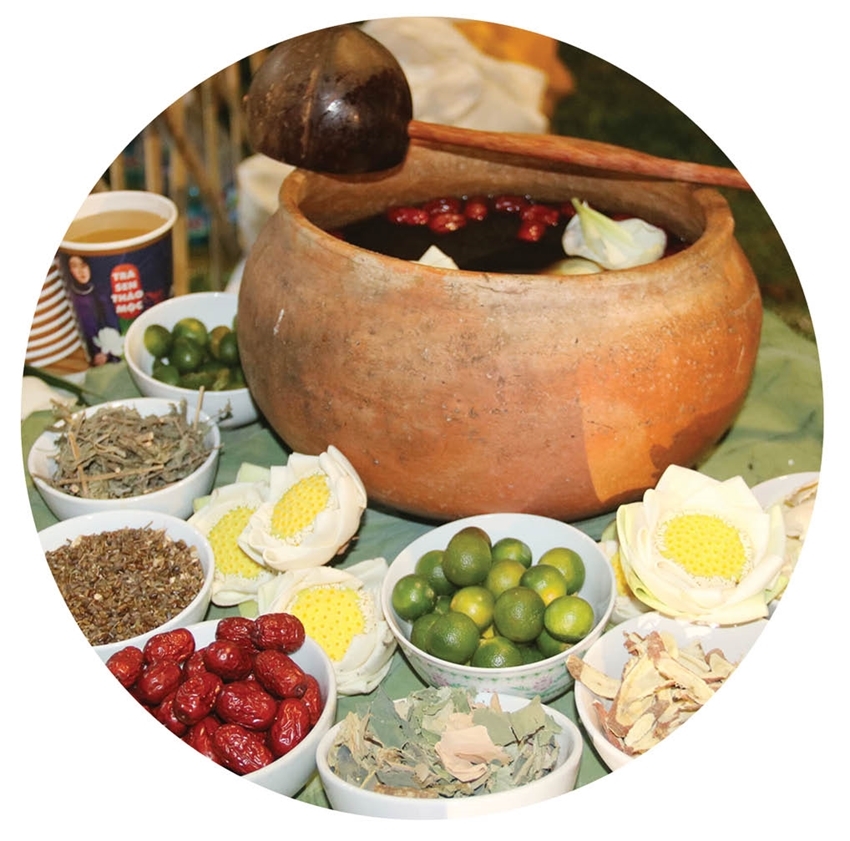 |
| The diversity of ingredients is one of Hue cuisine’s unique features |
Not only Da Nang but also Ho Chi Minh City is adopting similar activities to stimulate tourism. Especially as Vietnam has expanded visa exemptions for citizens of several European countries, launching culinary passports contributes to enhancing tourist experiences and spending.
In Hue, the ancient capital’s tourism sector launched the Hue City Passport in December 2023. From October 1 to November 11, 2025, the Department of Tourism, in collaboration with Grab and local tourism and service enterprises, implement the program “Experience Hue - The Culinary Capital” on Hue City Passport app. The initiative also features a “Creative Video Contest on Hue’s Culinary Passport” to spread the love of Hue’s cuisine to both domestic and international audiences. According to Mr. Vo Hoang Lien Minh, Chief of the Tourism Department Office, the program serves as a culinary-themed passport (with a different theme each year), designed to encourage exploration and culinary experiences among tourists.
Opening a new journey for Hue tourism
Traditionally, a passport is a legal document for border crossing. When applied to tourism, it becomes a ticket to boost travel demand and enhance visitor experiences at each destination.
Hue’s cuisine has long been a defining strength. In fact, the city holds even greater potential and resources that, when coupled with the culinary passport concept, can attract visitors to stay longer by completing themed challenges to earn rewards. This helps extend the average stay duration and increase tourist spending - a long-standing concern for Hue’s tourism industry.
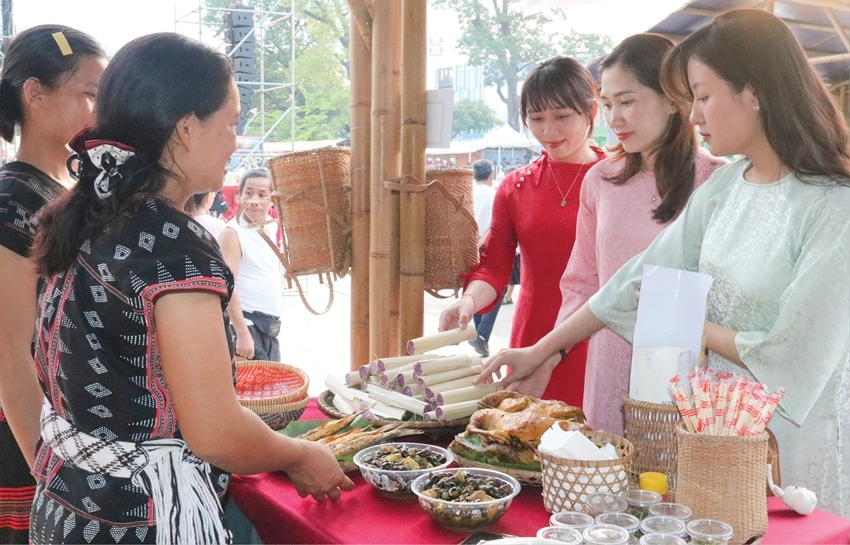 |
| Experiencing highland cuisine |
According to the Department of Tourism, in recent years, including 2024, the average stay duration of visitors has remained low at 1.77 days. In 2024, the average spending per tourist in Hue was about 2.1 million VND, significantly lower than in many other destinations across Vietnam. Therefore, practical solutions are needed to stimulate visitor spending and engagement.
Tourism Director, Ms. Tran Thi Hoai Tram, said the industry is developing a set of signature tourism products and implementing activities to attract more tourists. Many solutions have been proposed, including promotion programs linked to the culinary passport concept.
According to Mr. Vo Hoang Lien Minh, each year the tourism department will release a themed Tourism Passport: 2023 focused on heritage, 2025 on cuisine, and future years on other themes such as spiritual tourism or relaxation, to encourage tourists to stay longer in Hue. In 2026, the city plans to integrate destination narration features into the Hue Tourism Passport app.
Clearly, the idea of a small passport in tourism can become a “ticket” to open a new journey for Hue and Vietnam as a whole. On a broader level, initiatives like culinary or tourism passports can inspire a more responsible and sustainable tourism industry. This requires building clear criteria and standards for every destination, restaurant, and tourism provider to contribute to a list of safe, friendly, and high-quality experiences.
The Culinary Passport is not just a promotional product but also a motivation for visitors to stay longer, fostering richer and more sustainable travel experiences.