



 |
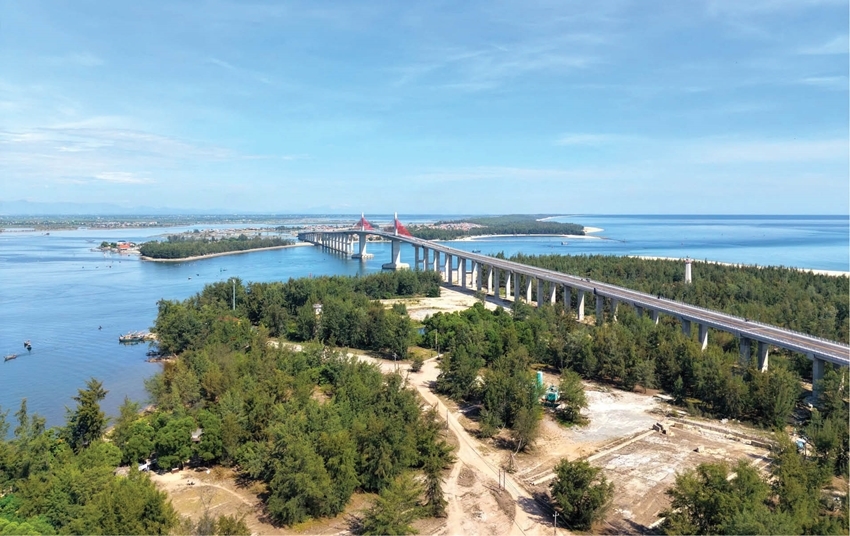
| The Thuan An casuarina forest. Photo: Duc Quang and Thanh Tam |
As many coastal cities face pressure to develop infrastructure, tourism and real estate, the decision to prioritize green space at Thuan An raises a thought-provoking question: not every plot of land with a prime location needs to be built on to realize its value; nor should one that has yet to be commercially developed automatically be regarded as a wasted resource.
First and foremost, the coastal casuarina forest has ecological value, contributing to windbreaks, limiting windblown sand, and protecting the environment and natural landscape. In an area regularly affected by natural disasters and erosion like Thuan An, these strips of forest also help shield the coast. The forest’s value definitely extends beyond that protective role. The rows of green casuarinas, sandy beaches, sea breezes and natural spaces are scenic assets that give the area its distinct identity. They also offer residents a place to relax, play and enjoy a healthy living environment without having to pay for commercial services.
A casuarina forest may not generate direct revenue for the city budget the way a real estate project can, but the benefits it brings to the community can last for generations. A well-preserved natural landscape is a competitive advantage, especially in tourism development. Visitors come to Hue not only to explore historic sites, enjoy local cuisine and relax, but also to experience natural settings closely tied to local culture and daily life. Therefore, protecting the casuarina forest at Thuan An Estuary does not mean limiting tourism development; it preserves one of the key resources that can help tourism develop sustainably.
However, realizing the proposed forest protection is a complicated process requiring concrete solutions. The first step is to survey and map the forest, clearly identifying how much of it needs protection, assessing the condition of the trees and marking out areas of scenic and ecological value that should be preserved over the long term. This practice would lay the groundwork for concretizing the proposal in formal planning while ensuring that investment, tourism development and urban renovation do not harm the existing natural values.
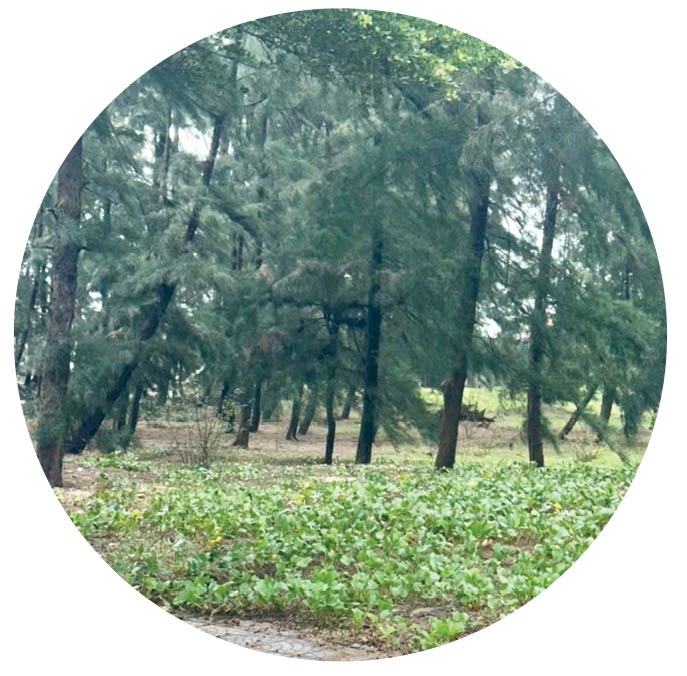 |
| The Thuan An casuarina forest. Photo: Duc Quang and Thanh Tam |
More importantly, the development of public parks should be designed around the preservation of the natural landscape, with unnecessary disturbance to the existing ecosystem kept to a minimum. A coastal park does not need numerous stone-paved plazas, large buildings or expanses of concrete.
Sometimes a park’s greatest value lies in the trees preserved, the shaded paths and the green spaces open to everyone. Building a construction might take a few years, but developing a forest with scenic and ecological value takes much longer. Once such natural spaces are replaced, restoring them to their original state is difficult, and some of what made them valuable may be lost for good.
To make this happen, the proposal to protect the Thuan An casuarina forest needs to be concretized through formal planning, preservation measures and clear commitments so that forest protection becomes a reality and is sustained in the long term.
Preserving the Thuan An casuarina forest today means safeguarding a natural asset for Hue that future generations have the right to enjoy.