



 |
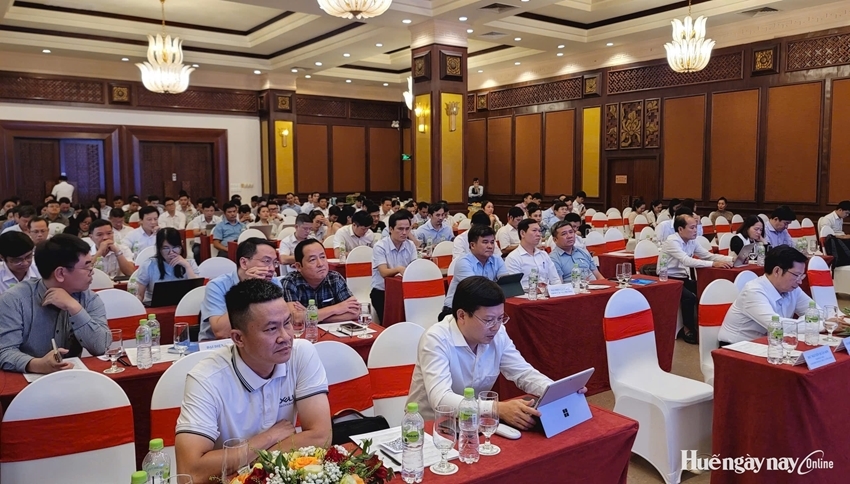
| Presentations at the workshop focus on strategies and solutions for smart city development in Hue |
The workshop focused on solutions and a coordinated approach to implementing the objectives and tasks set out in Decision No. 465 dated January 28th, 2026, issued by the Hue City People's Committee, approving the Smart City Development Project for the 2026-2030 period, with a vision to 2045; and Decision No. 1893 dated June 9th, 2026, issuing regulations on the activation of smart city services in Hue. In particular, participants discussed a common approach to developing smart city scenarios and models, as well as implementing smart city services through the IOCv2 platform and Hue-S application across departments, agencies, wards, communes and businesses.
The workshop program featured four thematic sessions and a technology handover presentation. Topics included smart city scenario development for the 2026-2030 period, the draft Hue City Digital Architecture Framework, digital transformation at commune and ward levels, the development of a smart urban intelligence platform, and guidance on digitizing existing infrastructure data.
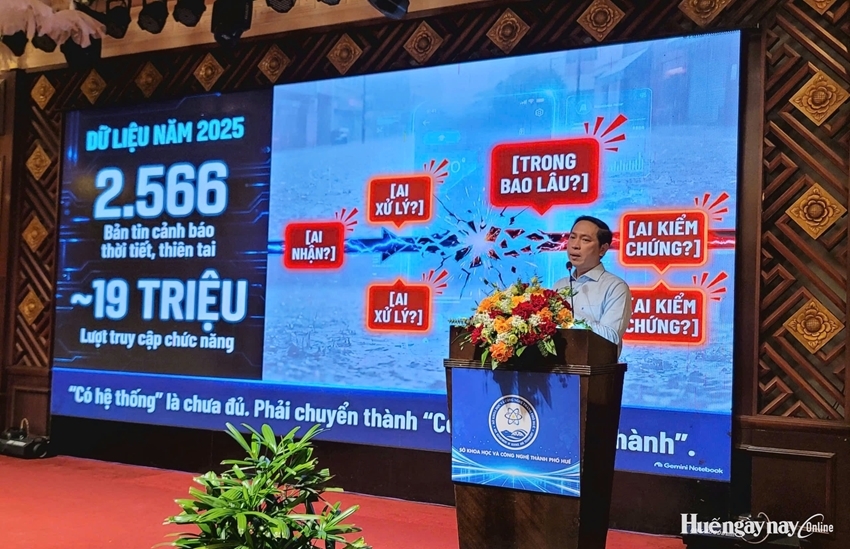 |
| Mr. Nguyen Duong Anh, Deputy Director of the Department of Science and Technology, outlines strategies and solutions for developing and implementing Hue City's smart city scenarios for the 2026-2030 period |
Participants also discussed practical challenges and difficulties, raised concerns and proposed solutions for implementing smart city initiatives. The discussions aimed to strengthen coordination among government agencies, local authorities and businesses, while establishing a consistent approach to implementing smart city scenarios and services. The goal is to gradually integrate data and digital platforms into public administration and management, while better meeting the practical needs of residents and businesses across the city.
On this occasion, the Department of Science and Technology signed handover agreements with representatives of all 40 communes and wards for a digital platform designed to record and manage existing infrastructure data. The handover will enable local authorities to take a more active role in digitizing, managing and using infrastructure data, supporting administrative decision-making and the development of digital government at the grassroots level.