



 |
| Hue City Center for Disease Control checking the body temperature of foreign visitors using remote devices after a cruise ship docks at Chan May Port |
According to the Ministry of Health, from December 27, 2025, to January 26, 2026, India recorded several suspected cases of Nipah virus disease, including 2 laboratory-confirmed cases in West Bengal state. To date, no cases of Nipah virus infection have been reported in Vietnam.
Nipah virus was first identified in 1999 in Malaysia and has since been reported in Bangladesh and India. According to the World Health Organization (WHO), cases have occurred sporadically without forming large outbreaks, but the disease is considered particularly dangerous due to its high fatality rate, ranging from 40% to 75%. Currently, there is no vaccine or specific treatment available for Nipah virus infection.
Nipah virus disease is classified as a perilous infectious disease (Group A), with the ability to transmit from animals to humans, mainly through fruit bats. Transmission can occur via contaminated food or objects, and from person to person through direct contact with bodily fluids. The average incubation period ranges from 4 to 14 days, with initial symptoms including headache, muscle pain, vomiting, and sore throat; severe cases may progress to acute encephalitis and altered consciousness, posing a serious threat to life.
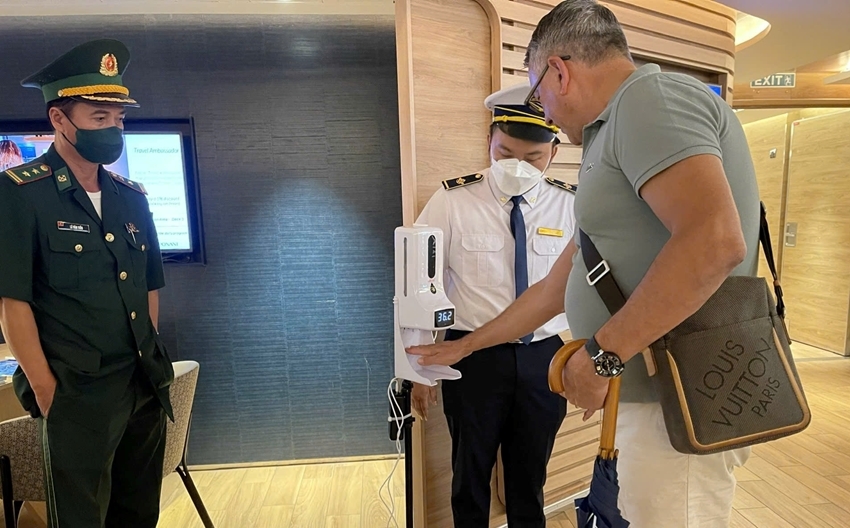 |
| Temperature screening for visitors at border checkpoints is an effective disease prevention measure |
Hue City Department of Health has issued Official Dispatch No. 454/SYT-NVY dated January 27, 2026, requesting health facilities and local authorities to strengthen disease surveillance, closely monitor the situation in communities and at border checkpoints, and proactively ensure adequate personnel, equipment, and response plans. These measures aim at early detection and timely, effective handling of any potential cases.
The health sector also warns the public to avoid traveling to areas affected by Nipah virus disease unless absolutely necessary, and to actively monitor their health for 14 days after returning from such areas. If suspected symptoms appear, individuals should promptly visit a medical facility for consultation, examination, and timely treatment, while minimizing contact with others and fully reporting their epidemiological history.
Additionally, the public should strictly follow preventive measures such as eating thoroughly cooked food and drinking boiled water; avoiding fruit or food showing signs of being bitten by bats or birds; refraining from using unprocessed fresh tree sap; limiting contact with fruit bats; washing hands frequently with soap or disinfectant; and using masks and gloves when caring for suspected cases.
Proactive prevention and heightened public vigilance are identified as key measures in protecting individual and community health against the risk of Nipah virus disease entering the country.