Admire Vietnam's new world cultural heritage complex
Cập nhật lúc 17:46, Thứ hai, 14/07/2025 (GMT+7)
On July 12, 2025, the Yen Tu - Vinh Nghiem, Con Son, Kiep Bac Complex of Monuments and Landscapes (located in Quang Ninh, Bac Ninh provinces, and Hai Phong City) was recognized by UNESCO as a World Cultural Heritage.
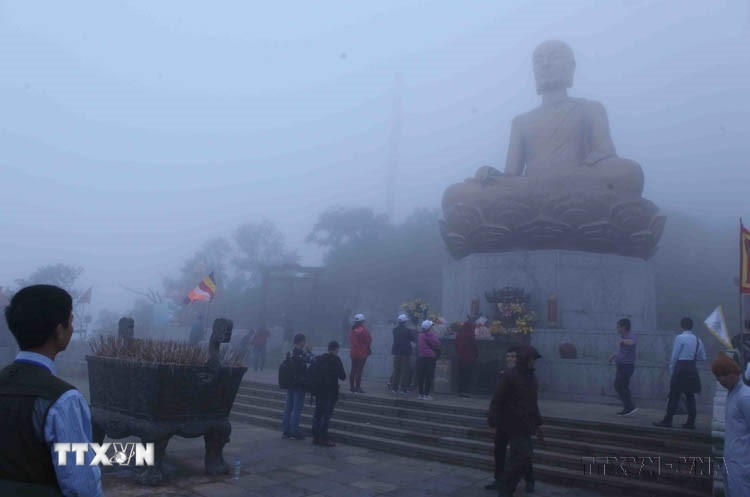 |
| Tens of thousands of visitors offered incense at the Yen Tu Festival 2018 (Quang Ninh). (Photo: VNA) |
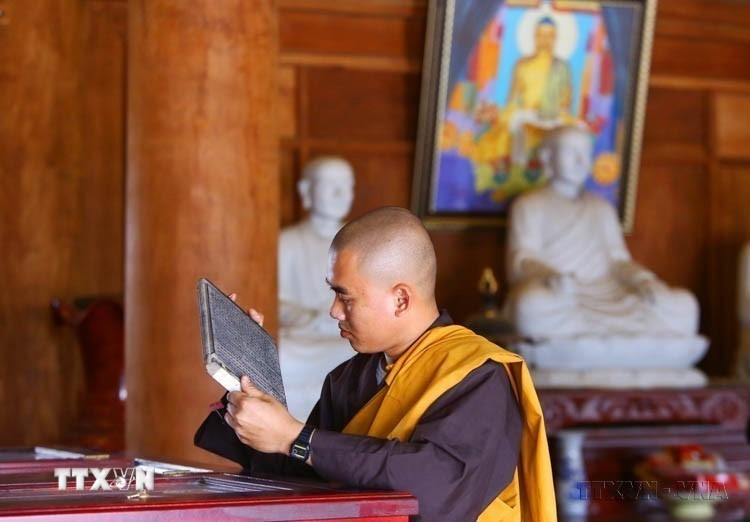 |
| Vinh Nghiem Pagoda (Bac Ninh), part of the Yen Tu - Vinh Nghiem - Con Son, Kiep Bac Complex of Monuments and Landscapes (abbreviated as Yen Tu), is an ancient pagoda dating back to the Ly Dynasty. Notably, the pagoda houses 6,021 sides of the 3,050 woodblocks carved with Buddhist scriptures and Truc Lam scriptures in Chinese and Nom scripts. The woodblocks of Vinh Nghiem Pagoda were recognized by UNESCO as Documentary Heritage under the Memory of the World Program for Asia-Pacific in 2012. (Photo: Minh Quyet/VNA) |
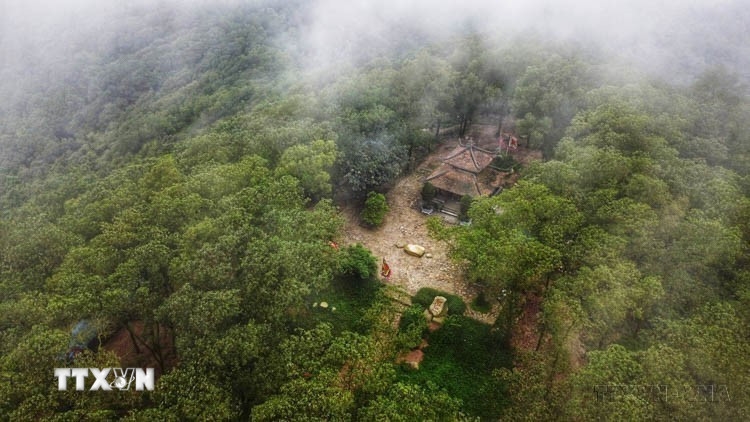 |
| The “Fairy Chessboard” on the peak of Con Son mountain is a flat area. The name “Fairy Chessboard” was given by folk to praise and express admiration for a beautiful and poetic historical site. (Photo: Thanh Dat/VNA) |
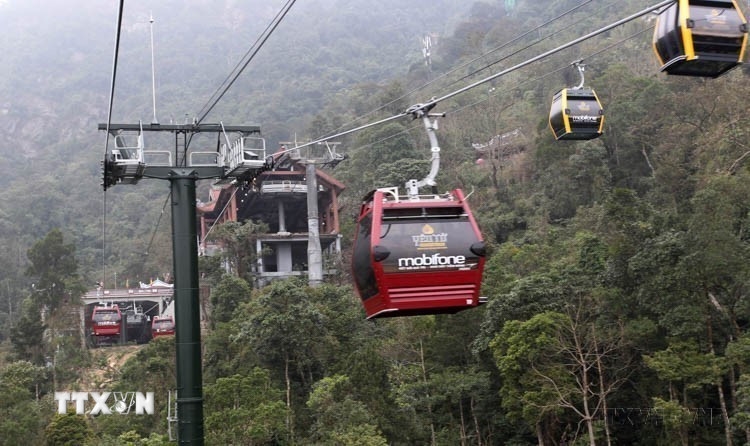 |
| Visitors taking the cable car at Yen Tu (Quang Ninh). Photo: VNA |
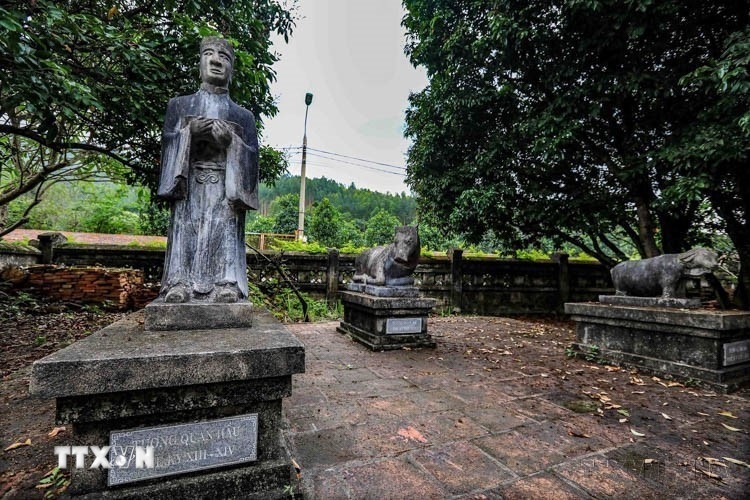 |
| Around the Ngai Son mausoleum area (the Mausoleum of Emperor Tran Hien Tong) within the Tran Dynasty historical site (Quang Ninh), there are still many artifacts including statues of mandarins, sacred animals, and turtles. (Photo: Thanh Dat/VNA) |
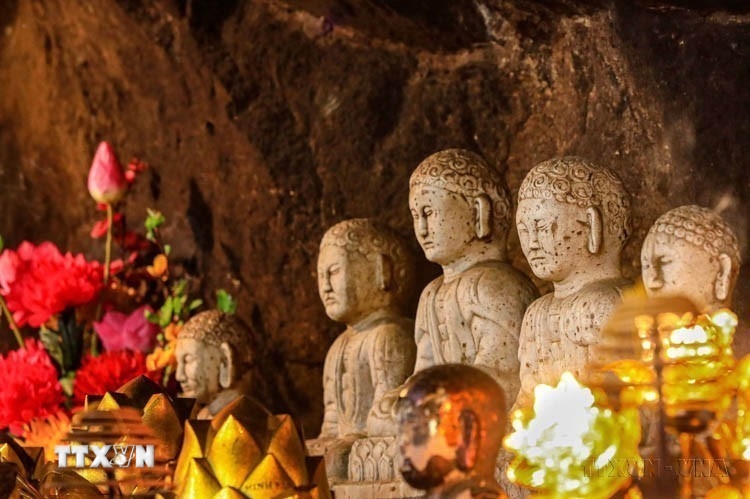 |
| At Mot Mai Pagoda (One-Roof Pagoda), part of the Yen Tu Historical and Scenic Site (Quang Ninh), although small, the pagoda is very unique because it is the only place in Yen Tu today that still preserves a system of worshipping statues and offerings entirely made of white stone dating from the late Le and early Nguyen dynasties. (Photo: Tuan Anh/VNA) |
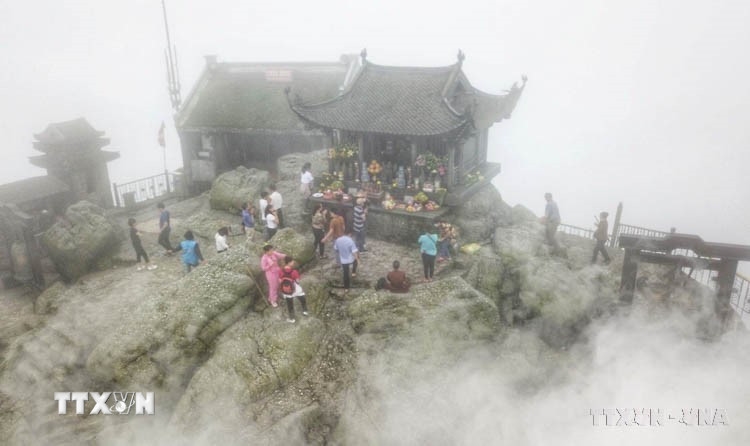 |
| The “cloud-hidden beauty” of Dong Pagoda at the Yen Tu Historical and Scenic Site (Quang Ninh). Dong Pagoda is located on the highest peak of Yen Tu mountain, and is cast from bronze. The architectural ground of the pagoda is in the shape of the character “Nhat”, with a solid structure, placed on a bronze platform designed in a kneeling-leg and fish-belly style. The pagoda's appearance resembles a blooming lotus flower, resting on the bronze platform. (Photo: Thanh Dat/VNA) |
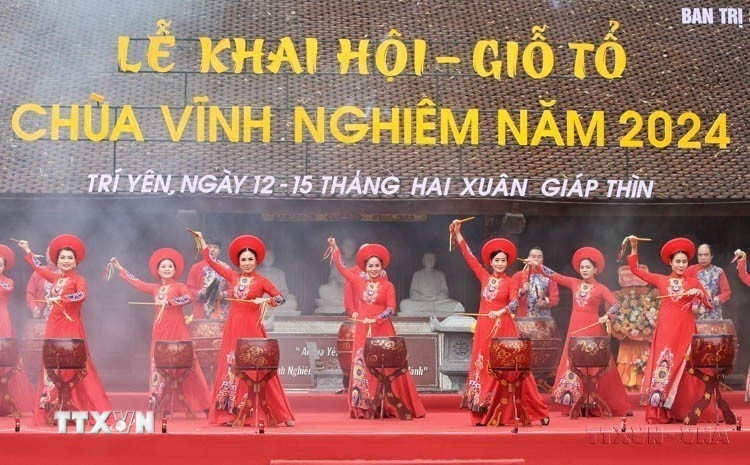 |
| The opening ceremony - Death anniversary of the Patriarch of Vinh Nghiem Pagoda in 2024 attracted a large number of visitors from all over (Bac Giang, 2024). (Photo: Danh Lam/VNA) |
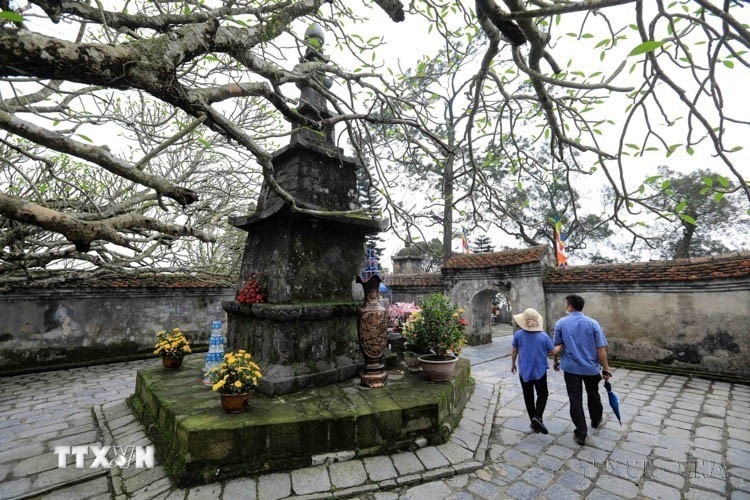 |
| Tran Nhan Tong Ancestor's Stupa, also known as Hue Quang Stupa in Hue Quang Stupa Garden at Yen Tu National Monument and Forest, is the stupa preserving the sarira of Emperor-Monk Tran Nhan Tong. The Hue Quang Stupa Garden now has only 64 stupas and tombs, 40 of which were newly restored in 2002. (Photo: Thanh Dat/VNA) |
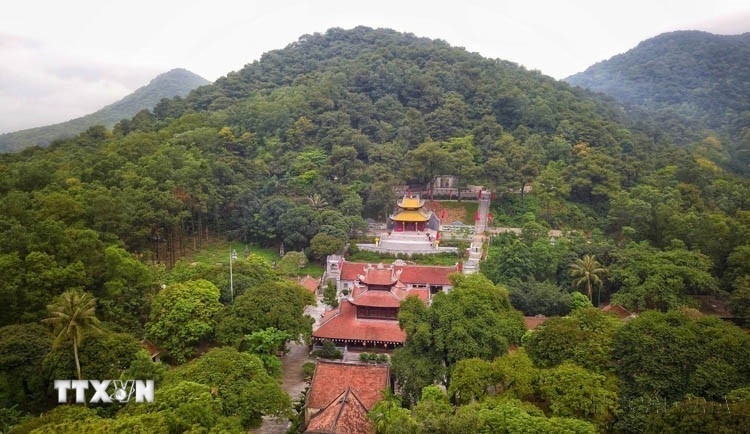 |
| The Con Son Scenic Relic Site within the Con Son - Kiep Bac Relic Site (Hai Phong) is associated with the lives of many historical figures, notably the temple dedicated to the National Hero and World Cultural Celebrity Nguyen Trai. The temple is located at the foot of Ngu Nhac and Ky Lan mountains, leaning against the To Son, forming a “left green dragon, right white tiger” posture. (Photo: Thanh Dat/VNA) |
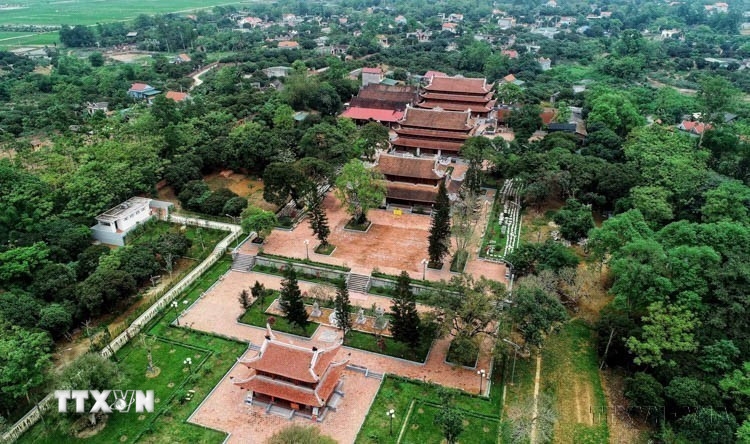 |
| Quynh Lam Pagoda is located on Tien Du mountain, part of the Tran Dynasty historical site (Quang Ninh). The pagoda was built in the Ly Dynasty and expanded during the Tran Dynasty. Phap Loa - the second patriarch of the Truc Lam Zen sect - built and expanded the pagoda into one of the major Buddhist centers of its time. (Photo: Thanh Dat/VNA) |
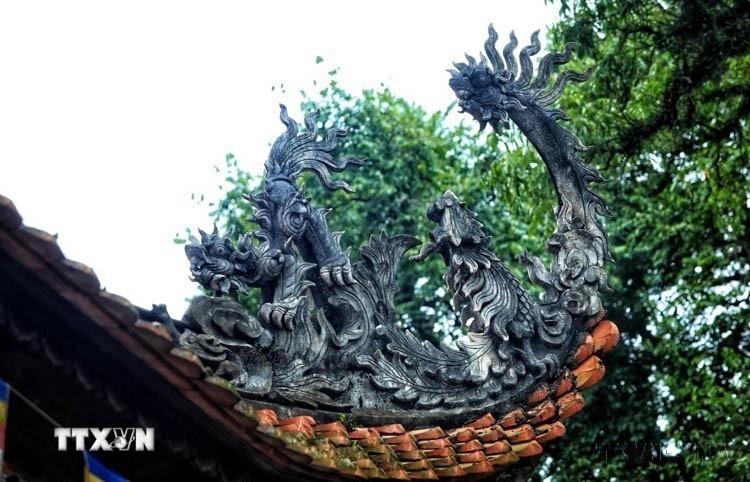 |
| Ancient architectural patterns from the 14th-century Tran Dynasty at the Con Son - Kiep Bac Relic Site (Hai Phong). (Photo: Tuan Anh/VNA) |
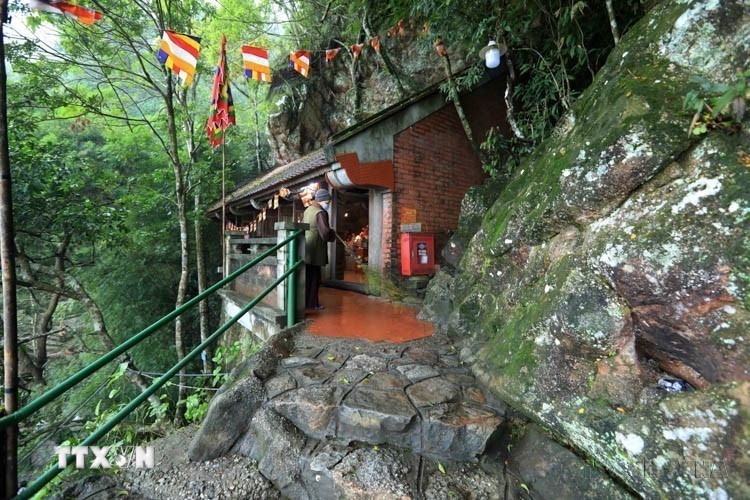 |
| The Mot Mai Pagoda (One-Roof Pagoda) nestles on a high mountainside, part of the Yen Tu Historical and Scenic Site (Quang Ninh). Half of the pagoda is hidden deep inside a mountain cave, while the other half is exposed outside, and only has one roof, hence the pagoda is also known by other names such as “Ban Thien Pagoda” or “Ban Mai Pagoda”. (Photo: Tuan Anh/VNA) |
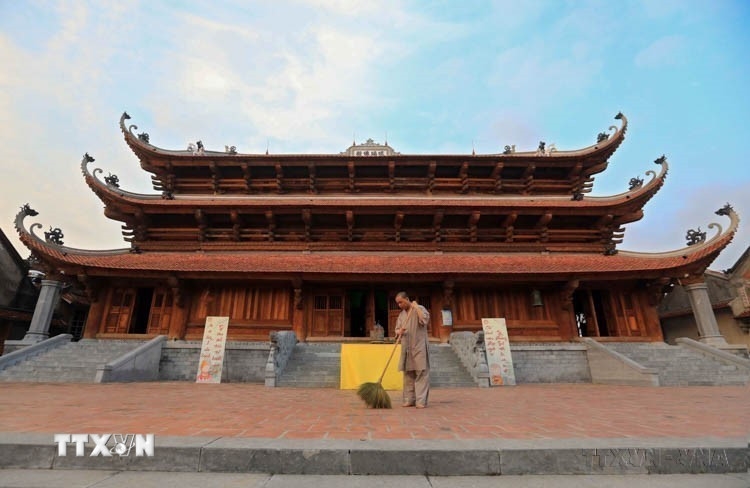 |
| Quynh Lam Pagoda, located within the Tran Dynasty Historical Relic Site (Quang Ninh), is one of Vietnam's most renowned pagodas. In the past, it was an important Buddhist center for the Truc Lam Zen sect. The pagoda is famous for many reasons, perhaps, a significant one being that it once housed a giant Buddha statue, which ranked first among the “Thien Nam tu dai khi” (Four Great Treasures of Thien Nam), or “An Nam tu dai khi” (Four Great Treasures of An Nam), a precious asset of the Dai Viet during the Ly and Tran dynasties. (Photo: Thanh Dat/VNA) |
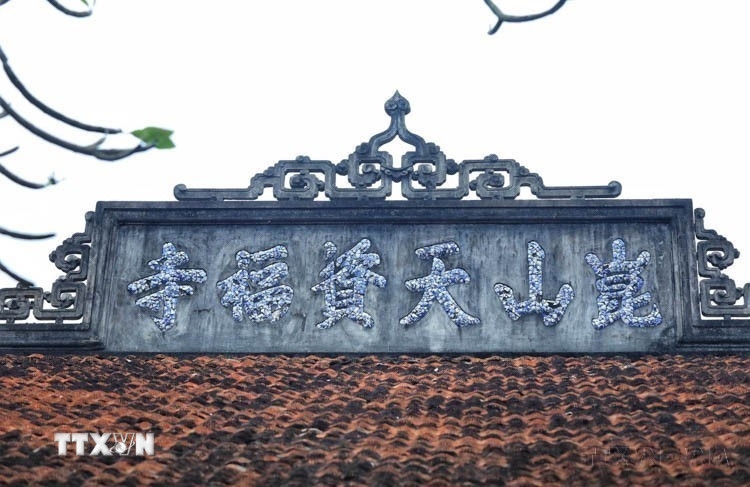 |
| Con Son Pagoda (Con Son Thien Phuc Tu) was built in the 14th century at the foot of Con Son Mountain, located within the Con Son - Kiep Bac Relic Site (Hai Phong). (Photo: Tuan Anh/VNA) |
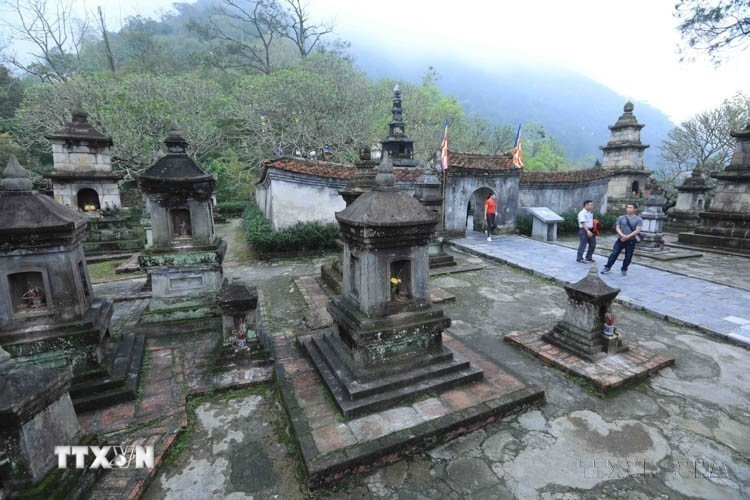 |
| The ancient beauty of the Stupa Garden at Hoa Yen Pagoda in Yen Tu Historical and Scenic Site (Quang Ninh). Hoa Yen Pagoda was built during the Ly Dynasty, and underwent numerous renovations throughout history. It is situated halfway up the mountain, facing southwest. (Photo: Tuan Anh/VNA) |
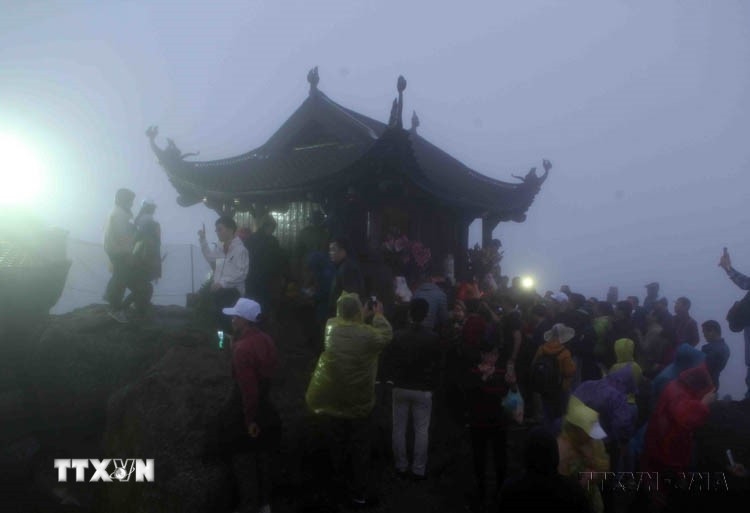 |
| Tens of thousands of visitors offered incense at Dong Pagoda, part of the Yen Tu Complex of Monuments and Landscapes, Quang Ninh province (February 25, 2018). (Photo: VNA) |
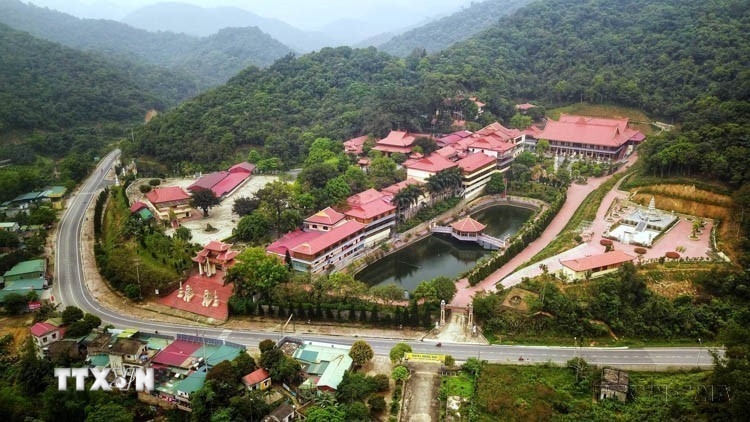 |
| Truc Lam Yen Tu Zen Monastery (also known as Lan Pagoda), located on Yen Tu Mountain within Yen Tu Historical and Scenic Site (Quang Ninh), was chosen by Emperor Tran Nhan Tong as his place of practice. This was originally a large pagoda, with massive structures but has been destroyed over time, with only a few traces remaining on the ground. In 2002, Truc Lam Yen Tu Zen Monastery was rebuilt (2021). (Photo: Thanh Dat/VNA) |
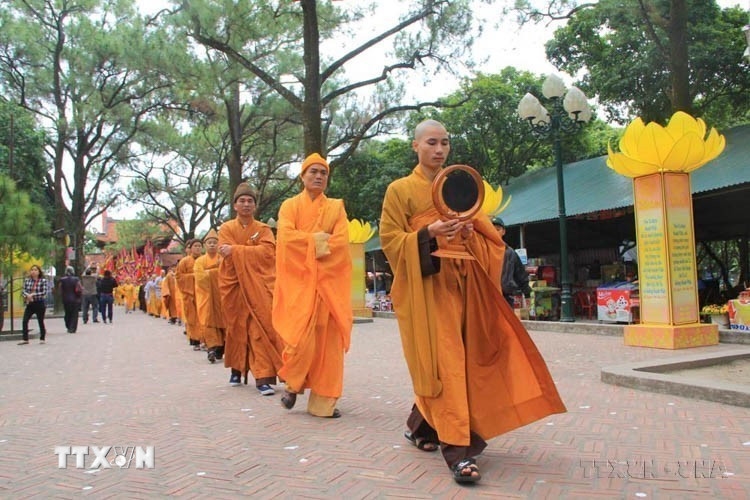 |
| The water procession ceremony at the Con Son - Kiep Bac Spring Festival. Water is taken from Con Son Lake and brought to Con Son Pagoda, which is part of the Con Son - Kiep Bac Special National Relic Site. This is an important ritual aimed at collecting water for the moc duc ceremony (the statue bathing ceremony), while also showcasing the strength of the village community, promoting community cohesion, and expressing wishes for good harvest, health, and prosperity (2017). (Photo: Manh Minh/VNA) |
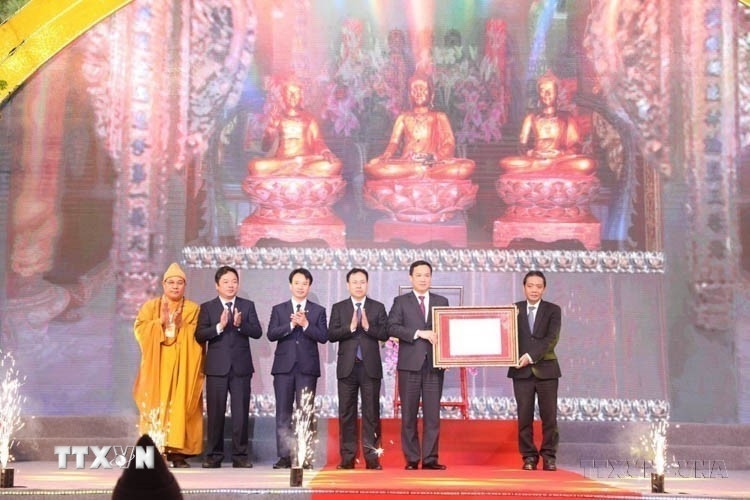 |
| Deputy Minister of Culture, Sports and Tourism Hoang Dao Cuong presented the Prime Minister's decision recognizing the Tam The statue set of Con Son Pagoda as a National Treasure to Hai Duong Province (February 25, 2024). (Photo: Manh Minh/VNA) |
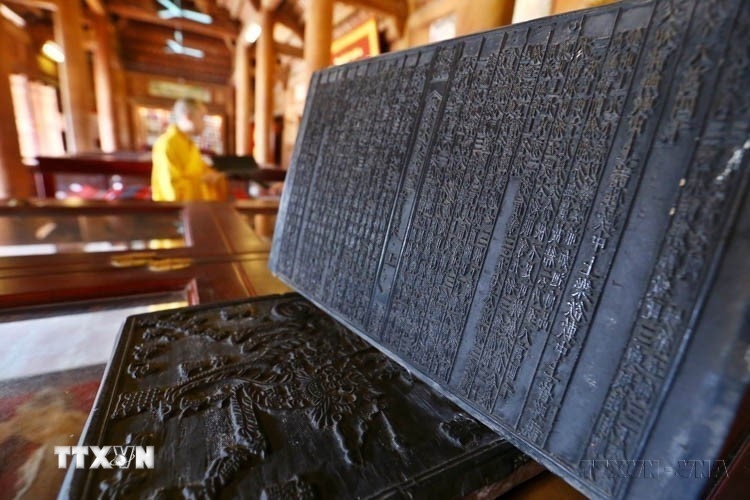 |
| Vinh Nghiem Pagoda (Bac Ninh), part of Yen Tu - Vinh Nghiem - Con Son, Kiep Bac Complex of Monuments and Landscapes (abbreviated as Yen Tu), is an ancient pagoda dating back to the Ly Dynasty. Notably, the pagoda houses 6,021 woodblock sides of the 3,050 woodblocks carved with Buddhist scriptures and Truc Lam scriptures in Chinese and Nom scripts. The woodblocks of Vinh Nghiem Pagoda were recognized by UNESCO as Documentary Heritage under the Memory of the World Program for Asia-Pacific in 2012. (Photo: Minh Quyet/VNA) |
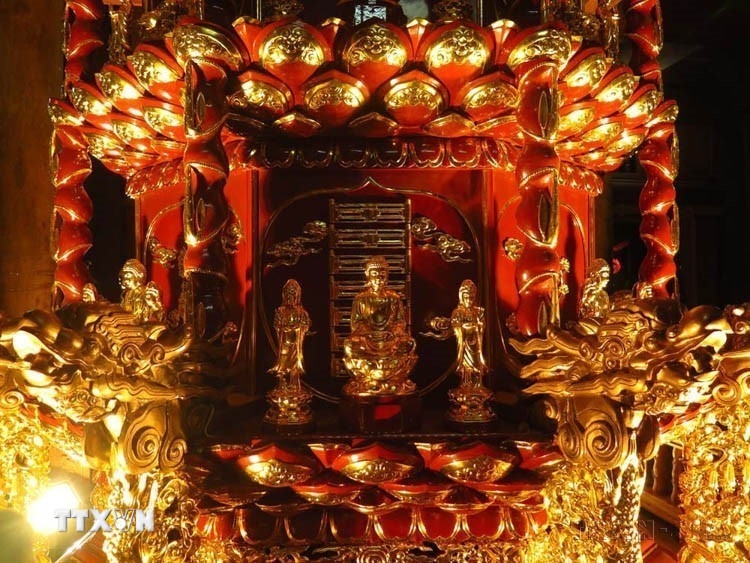 |
| The Cuu Pham Lien Hoa tower of Con Son Pagoda is one of the masterpieces of Buddhist architectural art, established by the Third Patriarch Huyen Quang in the 13th century (2017). (Photo: Manh Minh/VNA) |
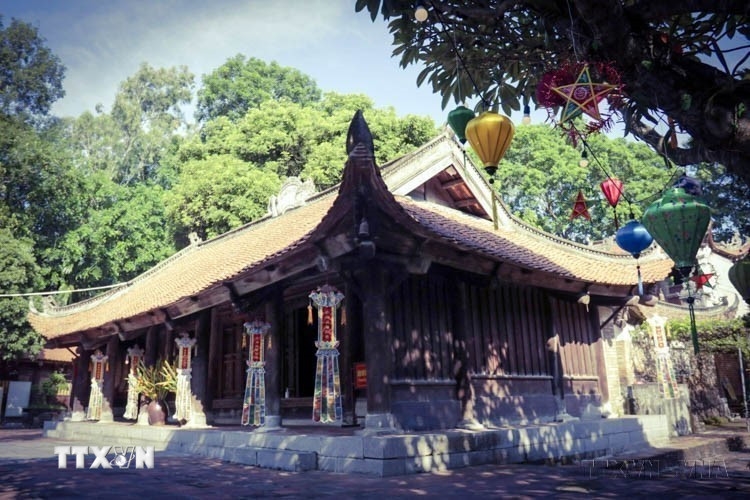 |
| Vinh Nghiem Pagoda (Bac Ninh), part of Yen Tu - Vinh Nghiem - Con Son, Kiep Bac Complex of Monuments and Landscapes (abbreviated as Yen Tu), is an ancient pagoda dating back to the Ly Dynasty. In the 13th century, Emperor-Monk Tran Nhan Tong renovated, and built it into a Buddhist center of the Truc Lam Zen sect. (Photo: VNA) |
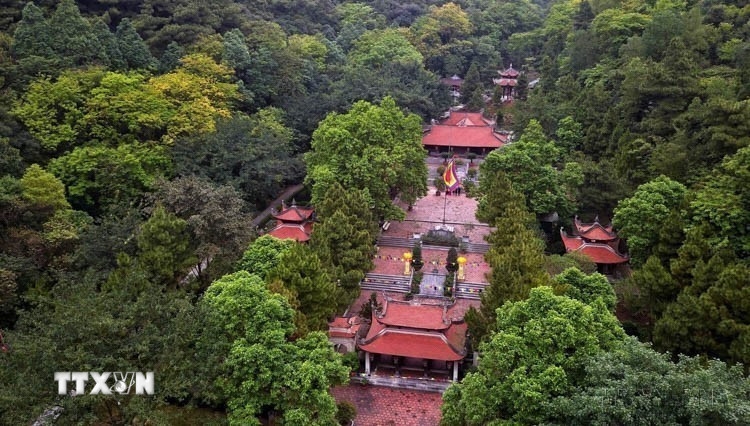 |
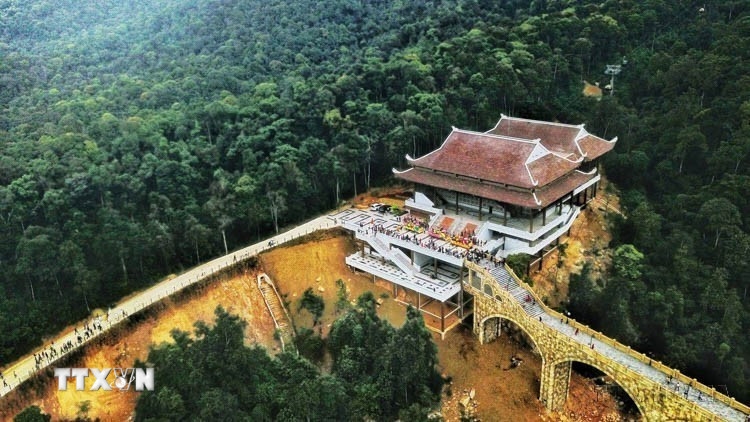
| A highlight in the Con Son Scenic Relic Site is the temple dedicated to the National Hero and World Cultural Celebrity Nguyen Trai. The temple is located at the foot of Ngu Nhac and Ky Lan mountains, leaning against the To Son, forming a “left green dragon, right white tiger” posture. (Photo: Thanh Dat/VNA) |
 |
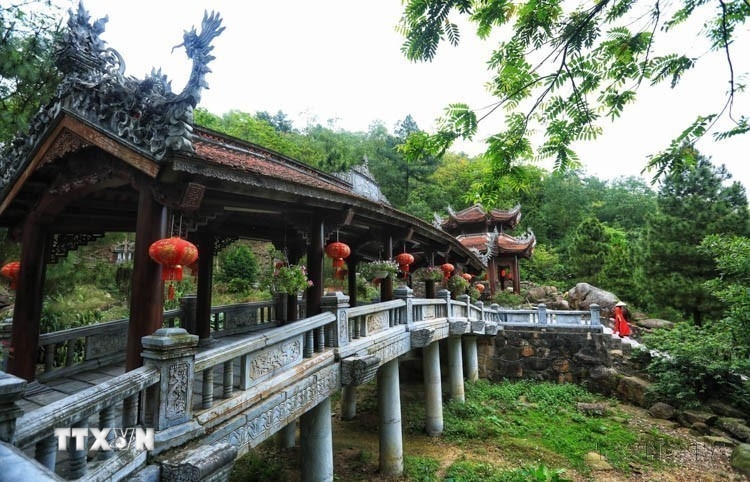
| The ceremony to process the statues of the Three Truc Lam Patriarchs from the ancestral place of Vinh Nghiem Pagoda to Thuong Tay Yen Tu Pagoda, part of the Tay Yen Tu Scenic Relic Site (Bac Ninh Province). Tay Yen Tu is home to a system of pagodas, stupas, and relics, along with the majestic forests and mountains associated with the formation of the Truc Lam Yen Tu Zen sect during the Tran Dynasty. (Photo: Thanh Dat/VNA) |
 |
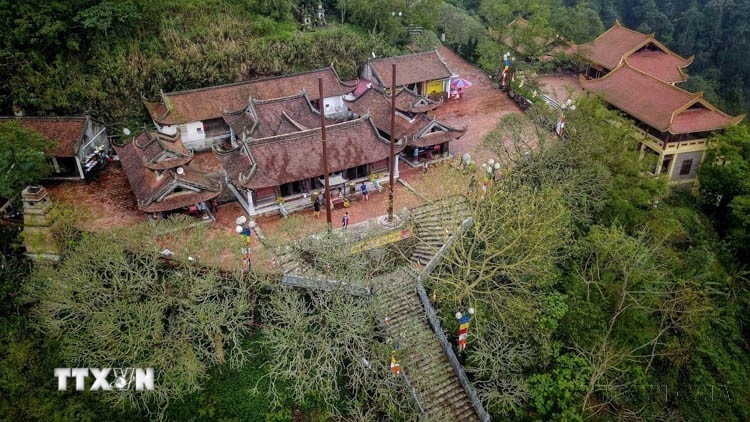
| The ancient beauty of Thau Ngoc bushel inside Con Son Pagoda, part of the Con Son - Kiep Bac Relic Site (Hai Duong). (Photo: Tuan Anh/VNA) |
 |
| Hoa Yen Pagoda is part of the Yen Tu Historical and Scenic Site (Quang Ninh). The pagoda was built during the Ly Dynasty, and underwent numerous renovations throughout history. It is backed by the mountain, and in front of it stand three ancient trees over 700 years old (2021). (Photo: Thanh Dat/VNA) |
According to Vietnamplus.vn


